Amazon Private Label business is evolving fast. New technologies are transforming how sellers create, market, and sell products on Amazon. AR (Augmented Reality) and VR (Virtual Reality) are leading this shift in ecommerce product development. At the same time, AI (Artificial Intelligence) and automation are helping sellers scale their Amazon FBA business more efficiently. These innovations are set to redefine product development, customer experience, and Amazon brand building strategies.
Understanding these technologies is becoming essential for modern sellers. Businesses that adopt tools like AI-driven product research, AR-based product visualization, and automation will gain a strong competitive advantage. Sellers who invest in smarter Amazon selling strategies will be better positioned to grow in an increasingly competitive marketplace.
In this blog, we will explore how AR, VR, and emerging technologies will shape the future of Amazon Private Label products, improve customer engagement, and transform the way sellers build and scale profitable brands on Amazon.
AR in Amazon Private Label Product Development

Augmented Reality (AR) is transforming Amazon Private Label product development by changing how sellers design and showcase products. Customers can now visualise items in their own space before purchasing, improving the overall Amazon shopping experience.
This feature increases buyer confidence and helps reduce return rates, which is crucial for maintaining a profitable Amazon FBA business.
Sellers can also use AR for product customization on Amazon, allowing customers to adjust colours, sizes, and designs in real time. This interactive approach boosts engagement, improves conversion rates, and supports stronger Amazon brand growth.
VR in Amazon Private Label Product Testing
Virtual Reality (VR) is transforming Amazon Private Label product testing by allowing sellers to create realistic virtual prototypes before manufacturing. This approach saves time, reduces costs, and improves efficiency in Amazon product development.
VR also plays a key role in Amazon market research, enabling sellers to test different designs and gather customer feedback before launching a product. This helps ensure products meet demand and increases the chances of success in an Amazon FBA business.
Buyers can also use VR to experience products before purchasing, improving the overall customer buying experience on Amazon. This is especially useful for categories like furniture, fashion, and home decor, where customers can explore products in a virtual environment and make more informed decisions.
AI-Powered Product Development for Amazon Sellers

AI is transforming Amazon product research by making it faster and more accurate. It analyses trends, customer behaviour, and market demand, helping sellers find profitable Amazon product niches and build a successful Amazon FBA business.
AI also improves Amazon product design by generating multiple variations based on customer preferences. This allows sellers to launch products with a higher chance of success and better conversion rates on Amazon.
Automated AI chatbots enhance Amazon customer support by providing instant responses, resolving issues quickly, and improving buyer satisfaction. Satisfied customers are more likely to leave positive reviews, which helps boost Amazon product rankings and overall sales performance.
3D Printing and Rapid Prototyping in Amazon Private Label
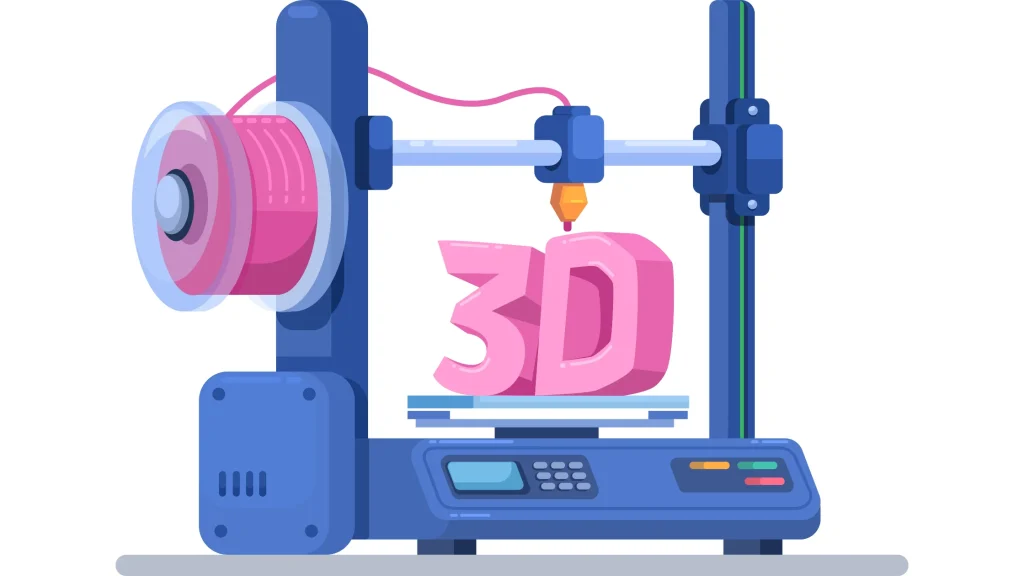
3D printing is changing how sellers create prototypes. They can now produce samples quickly without high manufacturing costs. This technology speeds up product development and testing.
Sellers can use 3D printing to test different designs. They can modify products before mass production. This flexibility helps them create better-quality items.
3D printing also enables limited edition releases. Brands can launch exclusive, customized products, increasing demand and brand loyalty
Smart Packaging for Amazon Private Label Brands
Smart packaging is enhancing the Amazon customer experience for Amazon Private Label brands. Features like QR codes and NFC tags allow buyers to access product details, usage tips, and interactive content, improving engagement and building trust.
Eco-friendly packaging is another growing trend in Amazon branding strategies. Brands using biodegradable and reusable materials attract eco-conscious customers, which helps improve brand reputation on Amazon and increase sales.
Personalized packaging is also gaining popularity. Sellers can add customer names or custom messages, creating a unique unboxing experience. This approach strengthens customer loyalty on Amazon and boosts repeat purchases.
Blockchain for Transparency in Amazon Private Label
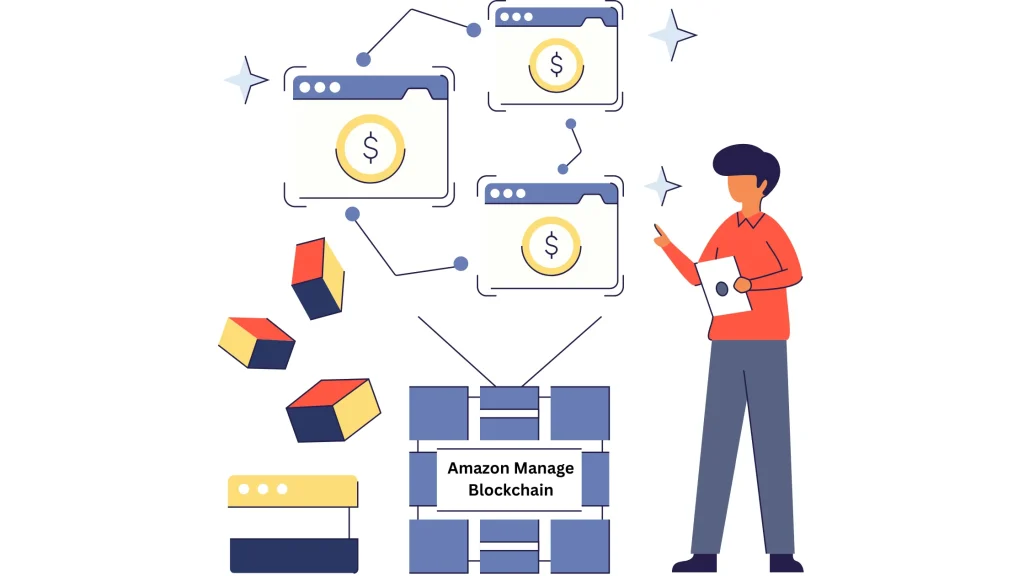
Blockchain technology is improving Amazon Private Label transparency by ensuring product authenticity. It records product data and tracks items from manufacturing to delivery, helping prevent counterfeit products in an Amazon FBA business.
Smart contracts support secure transactions by ensuring both sellers and buyers follow agreed terms. This reduces fraud and strengthens trust within the Amazon marketplace.
Blockchain also enhances Amazon supply chain management by allowing sellers to monitor product movement in real time. This improves efficiency, reduces delays, and supports smoother operations for growing Amazon brands.
Voice Commerce and Amazon Private Label Growth

Voice search is changing online shopping. More people use smart speakers to find and buy products. Sellers must optimize listings for voice search to stay competitive.
Voice assistants help customers place orders faster. Buyers can reorder products easily using simple voice commands. This convenience increases repeat purchases.
Sellers can also create voice-based product guides. These guides improve user experience and boost customer satisfaction.
Robotics in Amazon Private Label Warehousing
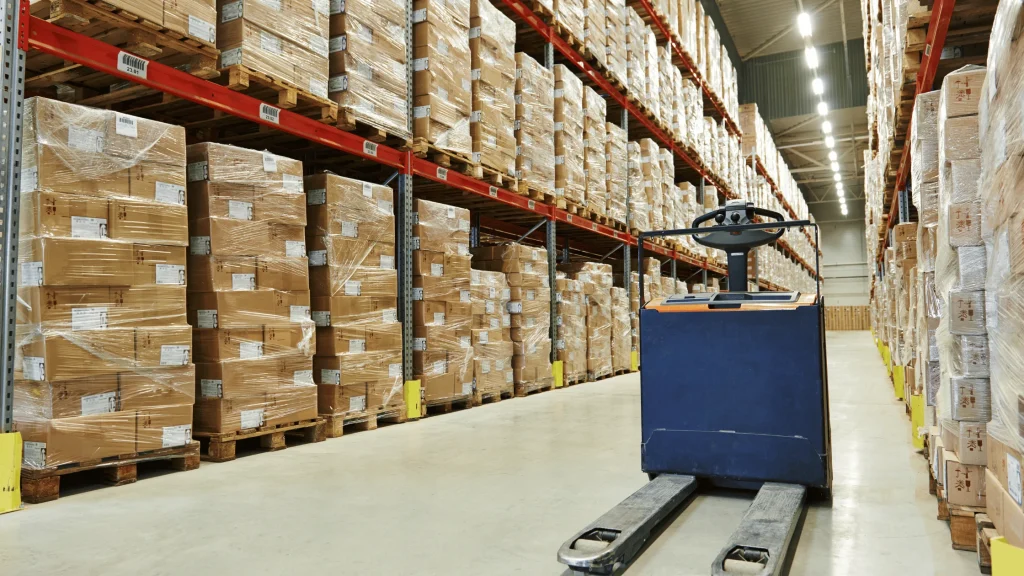
Robots are making warehousing more efficient. They handle inventory, sort packages, and speed up fulfilment. Amazon’s robotic warehouses reduce costs and improve delivery times.
Automated storage solutions prevent stock shortages. Sellers can track inventory levels in real-time. This system ensures that products remain available for buyers.
Drones also play a role in deliveries. Amazon is testing drone deliveries for faster shipping. This technology will change the future of eCommerce logistics.
AI-Powered Marketing for Amazon Private Label Brands

AI is revolutionizing marketing strategies. It analyzes customer data and suggests the best advertising campaigns. Sellers can use AI to create targeted ads that convert.
Chatbots improve engagement. They provide instant replies and help customers find products quickly. This feature increases sales and improves customer experience.
AI also enhances email marketing. Automated campaigns send personalized recommendations based on buyer behaviour. This strategy boosts conversions and customer loyalty.
The Future of Amazon Private Label with AR and VR

AR and VR will continue to evolve, shaping the future of Amazon Private Label brands. More sellers will use these technologies to enhance the Amazon customer experience, with virtual showrooms allowing customers to explore products in 3D before purchasing.
AI will also play a bigger role in Amazon product development, helping sellers identify trends, improve product design, and optimise Amazon inventory management for better efficiency.
Amazon is expected to integrate these technologies further into its ecosystem. Sellers who adopt advanced tools and modern Amazon selling strategies early will gain a strong competitive advantage, while those who ignore these trends risk falling behind in an increasingly competitive marketplace.
Conclusion
The future of Amazon Private Label looks exciting. AR, VR, AI, and other technologies will redefine product development. Sellers who embrace these changes will attract more buyers and grow their brands. Staying ahead in eCommerce requires innovation. To succeed, businesses must invest in the right tools and strategies. For expert guidance on Amazon Private Label, visit Amazon Consultant.
Here are some frequently asked questions
Some simple but important FAQs
How will AR improve Amazon Private Label sales?
AR allows customers to visualize products before purchasing. This reduces return rates and increases buyer confidence.
How can AI help with Amazon Private Label product research?
AI analyzes market trends and customer behaviour. It helps sellers find profitable niches and develop successful products.
What are the benefits of 3D printing for Amazon sellers?
3D printing speeds up prototyping, reduces costs, and allows customization. Sellers can test multiple designs before production.
How does blockchain enhance Amazon Private Label transparency?
Blockchain records product details securely. It prevents counterfeit goods and improves supply chain tracking.
Why is voice commerce important for Amazon Private Label brands?
Voice search makes shopping faster and easier. Optimizing for voice commands can increase sales and customer engagement.