


Amazon sellers often face returns and refunds. High return rates can reduce profits and damage seller ratings. Customers return products for many reasons. Some returns happen due to poor product quality. Others happen because of misleading listings or damaged packaging.
Reducing returns can improve profits and customer satisfaction. Sellers must take proactive steps. This blog explains how to reduce returns and refunds on Amazon. Follow these strategies to improve your business.
1. Provide Accurate Product Descriptions

Misleading descriptions cause many returns. Customers expect to receive what they see in the listing. If they receive something different, they return it.
Use clear, honest, and detailed descriptions. Include important details like size, colour, weight, and materials. Avoid exaggerations or false claims. Use bullet points to highlight key features. Customers trust listings that provide accurate information.
Use high-quality images from multiple angles. Show the product in use. Add a video demonstration if possible. Visual details help customers make informed decisions. This reduces the chances of returns.
2. Use High-Quality Product Images

Poor-quality images confuse customers. They may not see important product details. When they receive the product, it might not match their expectations. This leads to returns.
Use professional-quality images. Show the product from different angles. Add zoom-in features to highlight details. Use images that display size comparisons. Show the product in real-life situations.
Use professional-quality images. Show the product from different angles. Add zoom-in features to highlight details. Use images that display size comparisons. Show the product in real-life situations.
3. Offer Clear and Honest Sizing Information
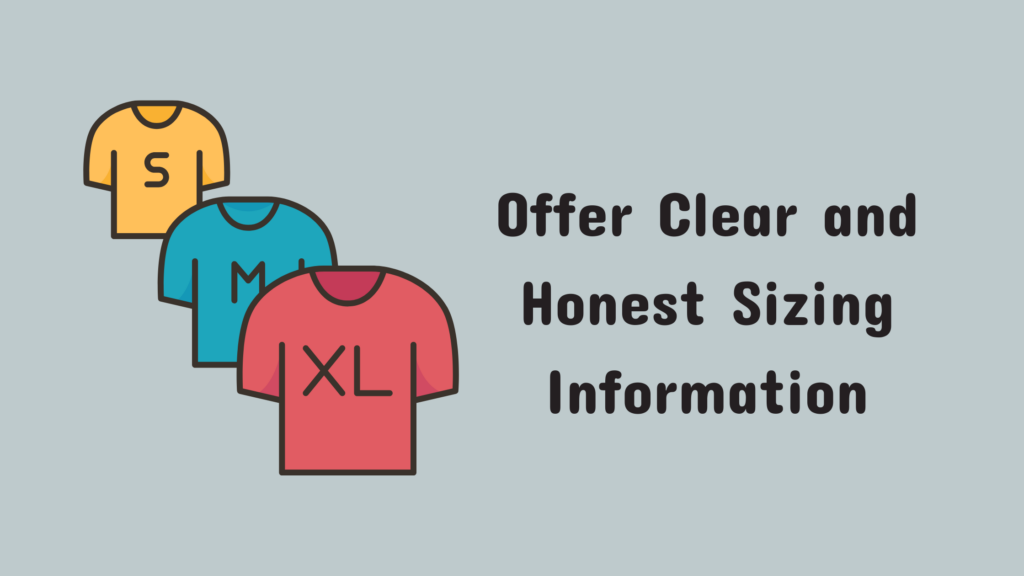
Sizing issues lead to many returns. Customers may order the wrong size if the sizing chart is unclear. This is common for clothing, footwear, and furniture.
Provide detailed sizing charts. Include measurements in inches and centimetres. Offer a guide on how to measure correctly. Compare your sizes with common brands. This helps customers choose the right size.
Add customer reviews that mention size accuracy. If many buyers say a product runs small, inform new buyers. Transparency can prevent incorrect orders and reduce returns.
4. Improve Product Quality Control
Low-quality products lead to high return rates. Customers return items that break easily or do not work as expected. Poor quality damages brand reputation.
Check product quality before shipping. Perform quality control inspections. Test electronic products before selling. Ensure all components function properly. If you use a supplier, request samples first.
Choose reliable manufacturers. Read supplier reviews before placing bulk orders. Invest in durable packaging to protect products. Damaged goods lead to immediate returns.
5. Reduce Shipping Damages
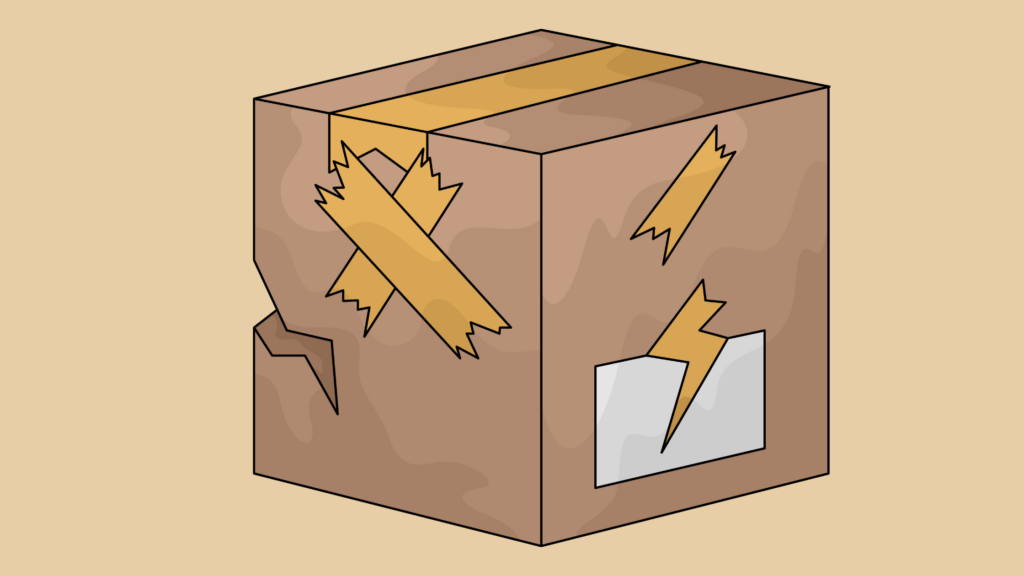
Customers return damaged products. Fragile items need extra protection during shipping. Poor packaging increases damage risk.
Use strong, high-quality packaging. Add padding for fragile items. Use waterproof materials for sensitive products. Label packages correctly to prevent mishandling.
Work with reliable shipping partners. Choose couriers that handle packages with care. Offer tracking and insurance for expensive products. This ensures safe delivery and reduces damage-related returns.
6. Provide Accurate Delivery Estimates
Late deliveries frustrate customers. Many customers return products that arrive too late. If an item does not arrive on time, buyers may refuse delivery.
Set realistic delivery timeframes. Do not promise fast shipping if you cannot deliver on time. Use Amazon’s Fulfilled by Amazon (FBA) service for reliable shipping. Customers trust FBA orders more than third-party shipping.
Update customers about delivery status. Provide tracking numbers. Send notifications for delays. Clear communication builds trust and reduces unnecessary returns.
7. Write Clear Product Instructions
Confusing instructions cause returns. If buyers do not understand how to use a product, they may assume it is faulty. Many electronics and DIY products need clear setup guides.
Include a detailed instruction manual. Use simple language and step-by-step images. Add video tutorials if possible. Help customers understand how to use the product correctly.
Offer customer support for setup issues. Provide a contact email or chatbot assistance. Quick help can prevent unnecessary returns.
8. Respond to Customer Queries Quickly

Many customers ask questions before buying. If they do not get answers, they may buy without enough information. This increases the risk of returns.
Monitor customer questions on your Amazon listing. Reply promptly with clear answers. Address common concerns in your product description. Update FAQs based on customer queries.
Quick responses build trust. They also ensure customers make informed decisions. Informed buyers return products less often.
9. Manage Customer Expectations

Unrealistic expectations lead to disappointment. Customers expect products to work exactly as advertised. If they feel misled, they return the item.
Use honest marketing. Avoid exaggerated claims. Be transparent about product limitations. If a product requires extra accessories, mention it.
Encourage realistic reviews. Do not remove all negative reviews. Honest feedback helps new customers set the right expectations. This reduces unnecessary returns.
10. Offer Excellent Customer Service

Good customer service can prevent refunds. If a customer has an issue, they may prefer a solution over returning the product.
Respond to complaints quickly. Offer replacements instead of refunds if possible. Provide helpful solutions instead of automated responses.
Use Amazon’s messaging system for direct communication. Happy customers are less likely to return products. They may even update negative reviews if their issue is resolved.
11. Use a Hassle-Free Returns Policy
A clear returns policy can reduce disputes. Customers appreciate an easy returns process. If they understand return conditions, they are less likely to request refunds.
Set clear return deadlines. Explain refund eligibility. Offer exchange options. If possible, provide free returns for defective items.
Use Amazon’s return policies for seamless handling. Clear policies reduce confusion and improve customer satisfaction.
12. Monitor and Analyse Return Data

Tracking return patterns helps identify problems. If a specific product has a high return rate, investigate why.
Check return reasons in your Amazon seller dashboard. Look for common complaints. If many buyers report the same issue, fix it. Update product descriptions, images, or quality control processes.
Use customer feedback to improve listings. Continuous improvements reduce returns and improve overall sales.
13. Collect Customer Feedback

Customer opinions provide valuable insights. If multiple buyers complain about the same issue, changes are necessary.
Send follow-up emails asking for feedback. Use surveys to understand buyer concerns. Encourage honest reviews to improve your product.
Analyse negative reviews carefully. Fix recurring problems. Customers appreciate businesses that listen to their concerns. Fewer complaints mean fewer returns.
14. Improve Product Packaging
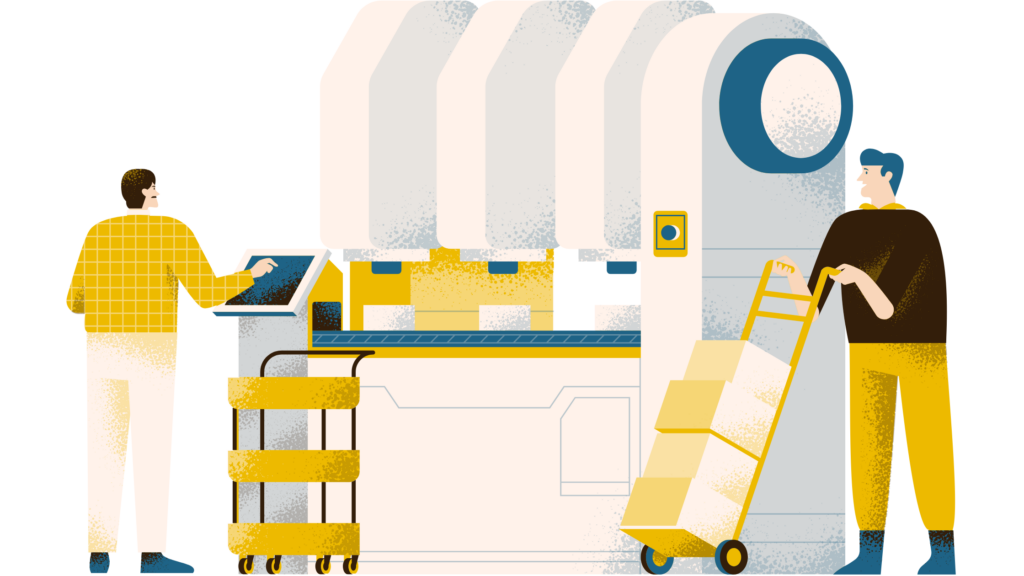
Poor packaging leads to unnecessary returns. If a product arrives in damaged or unattractive packaging, customers may return it.
Use sturdy packaging materials. Ensure products fit securely inside the box. Add branding to create a professional look.
Eco-friendly packaging can also attract buyers. Many customers prefer sustainable options. A positive unboxing experience increases customer satisfaction.
Conclusion
Reducing returns and refunds on Amazon requires multiple strategies. Accurate product descriptions, quality control, and clear communication help prevent returns. Providing excellent customer service builds trust. Monitoring return trends helps improve future sales.
Amazon sellers who take proactive steps can improve profits. Reducing returns ensures better ratings and customer satisfaction. Implement these strategies to enhance your Amazon business.
For expert guidance on managing your Amazon store, visit Amazon Consultant today!
Leave a Reply