I’ve spent a fair amount of time helping sellers move stock across borders, and honestly, international shipping used to be one of the messiest parts of running an Amazon business. Customs forms, random carrier delays, and hidden fees that show up weeks later. It’s a lot.
That’s why when Amazon rolled out Amazon Global Logistics, or AGL, as most sellers just call it, I paid close attention. In this guide I want to walk you through what AGL actually is, how it works day to day, and how my team and I at Amazon Consultant use it to help our clients ship faster without the usual headaches.
What is Amazon Global Logistics (AGL)?
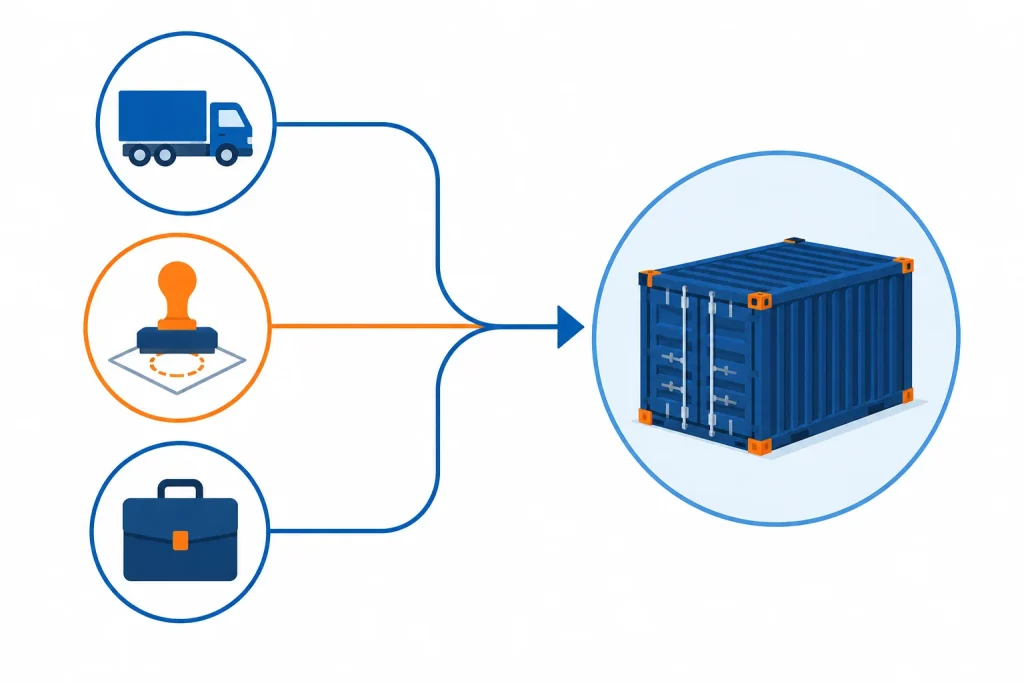
Amazon Global Logistics (also written as Amazon Global Logistics, AGL, or AGL depending on who’s searching) is Amazon’s own end-to-end shipping service for sellers who need to move inventory from one country into an Amazon fulfilment centre in another. Instead of hiring a freight forwarder, then a customs broker, then a separate trucking company, AGL bundles all of it under one roof. Amazon books the freight, clears customs, and delivers straight to the warehouse. In my experience, that alone removes about half the stress that comes with shipping internationally.
What Does the Amazon Logistics Logo Actually mean?
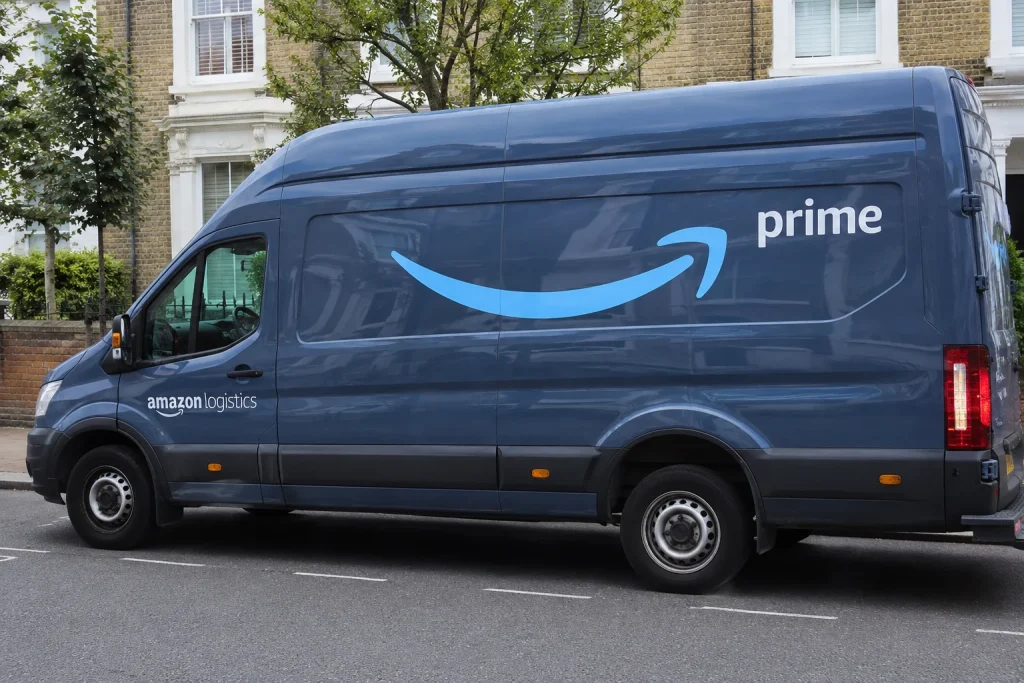
A few sellers have asked me this, so I’ll answer it here since it comes up a lot in searches. The Amazon Logistics logo is the branding you’ll see on delivery vans, shipping labels, and tracking pages tied to Amazon’s own delivery network (this is different from Amazon Global Logistics, even though the names look similar). If you’re trying to confirm whether a shipment or label belongs to Amazon’s own fleet versus a third-party carrier, the logo is usually your quickest visual clue. It won’t affect how you set up AGL, but I wanted to clear up the confusion since I see the two terms get mixed up constantly
Why I Recommend AGL for International Sellers
I won’t pretend AGL is perfect for every seller, but for most of the brands we work with, it solves real problems. Speed is the obvious one. You get to choose between air and ocean shipping depending on how urgent your stock situation is. You also get live tracking the whole way, which honestly makes inventory planning so much easier than guessing when a container might show up. The bigger win, though, is fewer mistakes. Amazon handles duties, customs paperwork, and the compliance side. That’s usually where sellers get tripped up when they try to manage international freight on their own.
How Amazon Global Logistics Actually Works
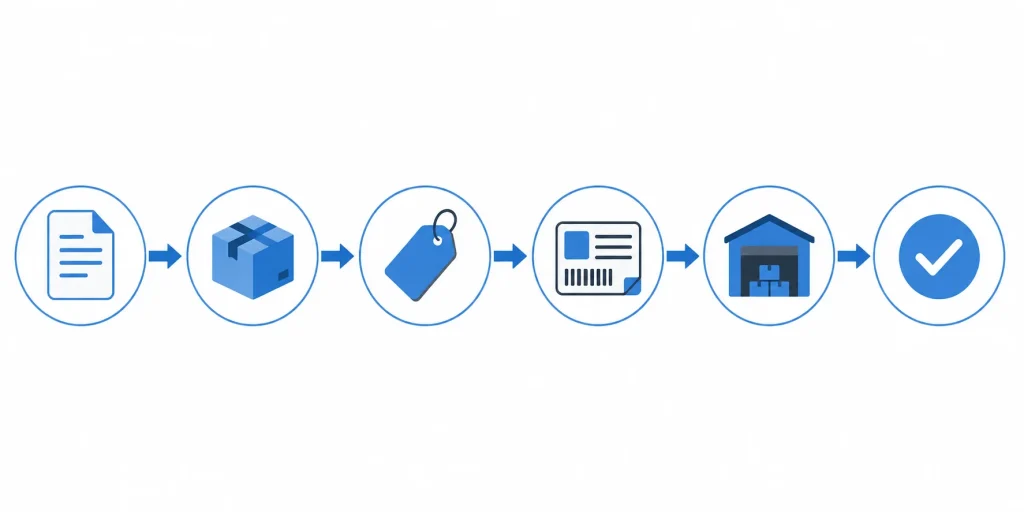
Here’s the process, roughly how we walk our own clients through it:
- You create a shipping plan inside Seller Central and pick AGL as your method.
- You enter your product details, origin location, and whether you want air or ocean freight.
- Amazon gives you a cost estimate and an expected delivery window.
- You pack and label your goods following Amazon’s instructions.
- You send the shipment to the origin facility Amazon assigns.
- Amazon takes it from there: freight, customs clearance, and final delivery to the fulfilment centre.
You’ll get status updates at each stage, so you’re not left wondering where your stock is somewhere over the Pacific.
Setting Up Your Amazon Global Logistics Account
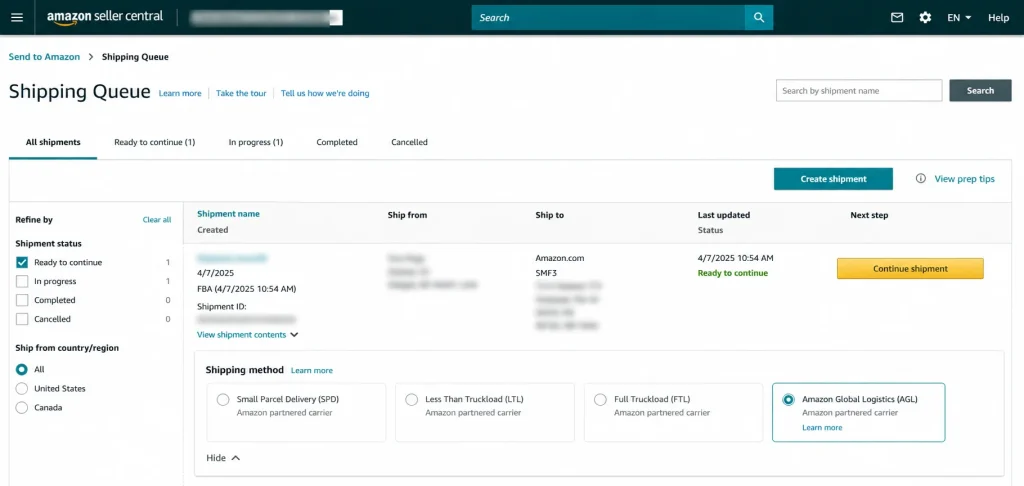
Getting your Amazon Global Logistics account set up is simpler than people expect, though a few sellers still get stuck on this step, so let me break it down. Log into Seller Central and head to “Send to Amazon” or the shipping queue section. From there you’ll see an option to book through AGL. You’ll need your business details, a rough idea of your typical shipment volume, and your product catalogue already listed. Once that’s confirmed, you can start creating shipment plans right away, no separate application process needed for most sellers. If your account already has FBA set up, adding AGL on top of it is pretty quick. We’ve onboarded clients onto their Amazon Global Logistics account in under an hour when their catalogue was already in order.
AGL Shipping: Air vs Ocean
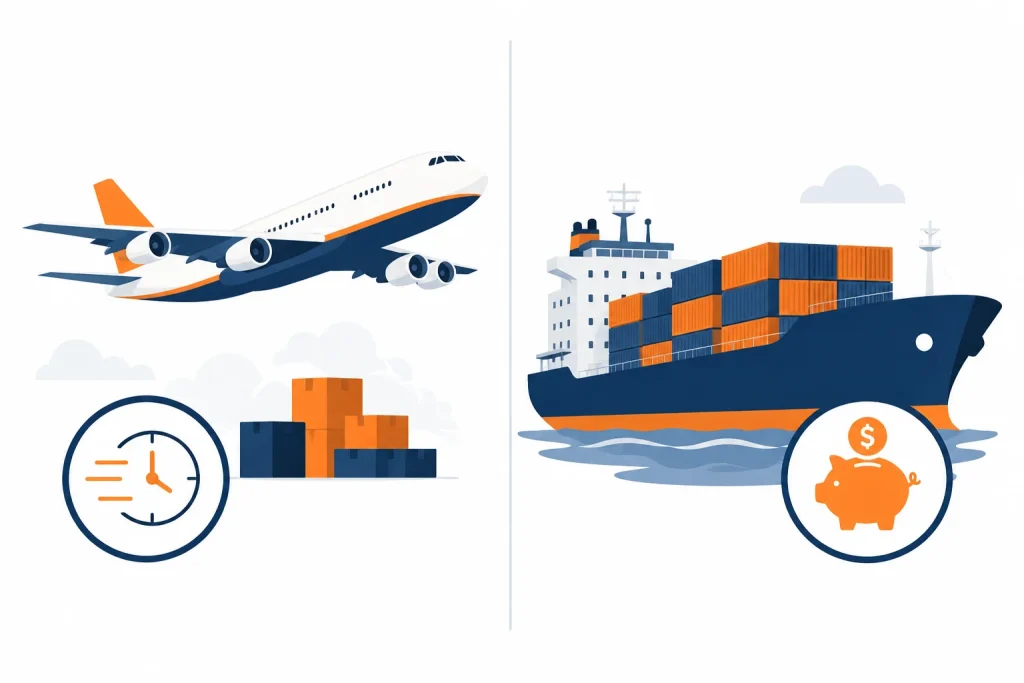
AGL shipping (people search it both ways, “AGL shipping” and “AGL Amazon shipping” come down to two choices really. Air freight through AGL usually lands in 3 to 5 days. It costs more per unit, but it’s the right call when you’re restocking a bestseller or heading into a sales event and can’t afford to wait. Ocean freight takes longer, often 20 to 30 days, but it’s far cheaper per unit for large volume orders. If you plan your inventory a month or two out, ocean shipping through AGL is usually the smarter financial choice.
Amazon Global Logistics UK: What Sellers Here Need to Know
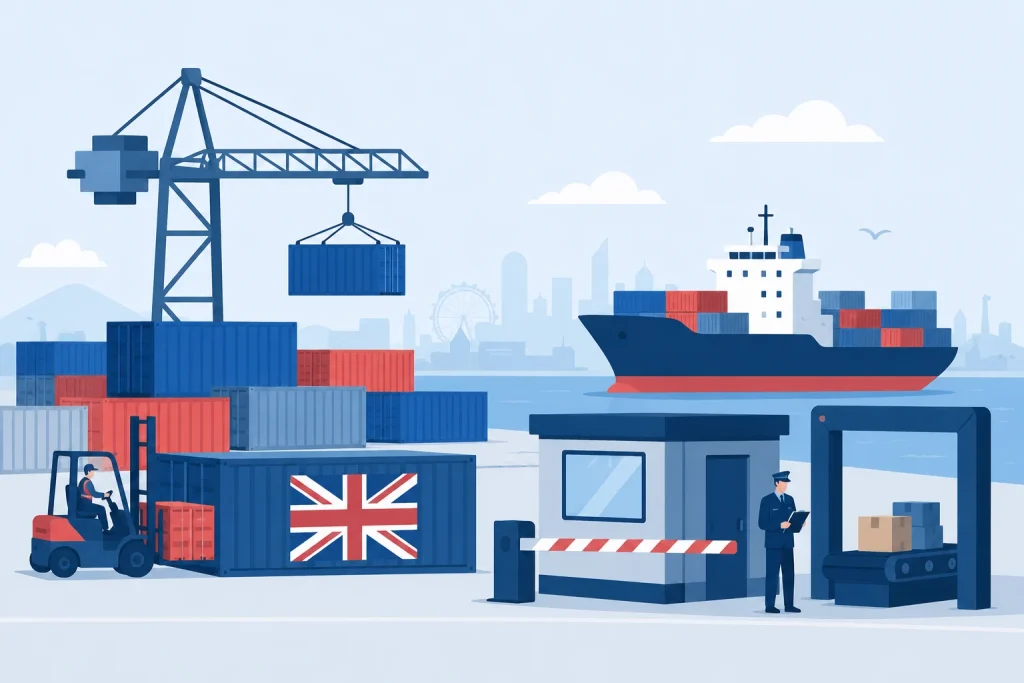
A lot of the questions I get are specifically about Amazon Global Logistics UK and AGL UK shipping, so it’s worth its own section. UK-based sellers can use AGL to bring stock in from overseas suppliers (China is the most common one we see) straight into Amazon’s UK fulfilment network. The process is the same as any other AGL shipment, but customs handling on the UK side has its own quirks around VAT and import duty that I always tell clients to double-check before booking. If you’re shipping into the UK and also selling across the EU, AGL can route stock to either market, which is genuinely useful if you’re expanding beyond a single marketplace
Benefits I’ve Seen From Using AGL

From working with sellers who’ve switched to it, here’s what tends to actually improve:
- From working with sellers who’ve switched to it, here’s what tends to actually improve.
- One service handles pickup through to delivery, no juggling multiple vendors
- Real-time tracking so you’re not chasing carriers for updates.
- Customs clearance handled by Amazon directly, which cuts down on errors.
- Lower overall fees since you’re not paying separate brokers.
- Fewer stockouts because restocking becomes more predictable.
What Goes Wrong Without AGL
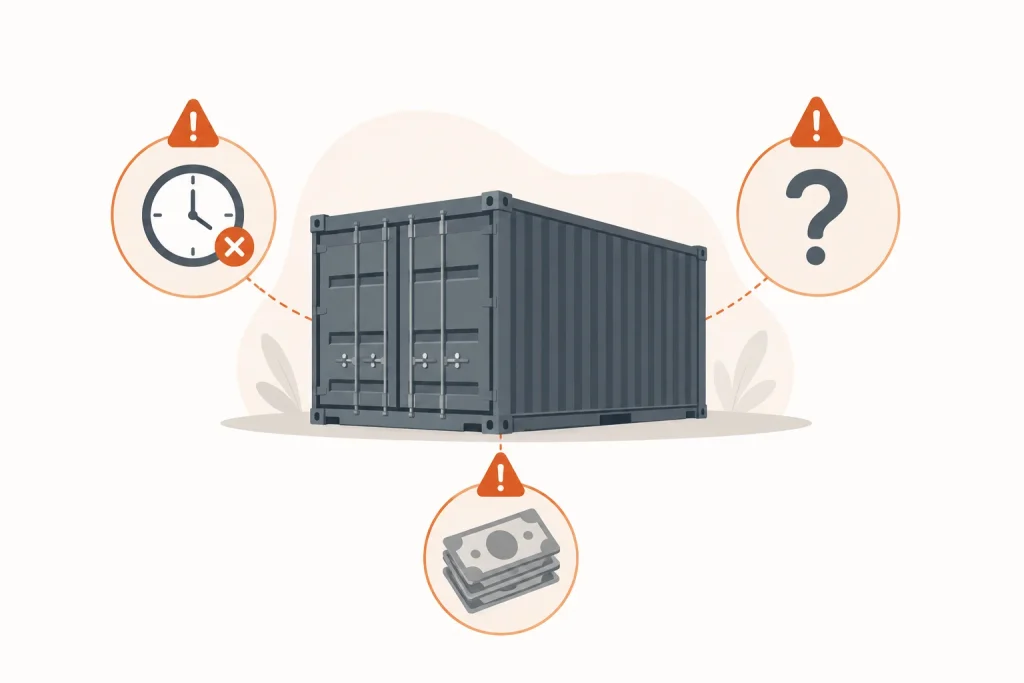
Before AGL existed, or for sellers who still ship independently, the same three problems came up again and again. Customs is the biggest one. Incomplete paperwork or wrong declared values can get a shipment held for weeks. I’ve seen it happen, and it’s not fun to deal with mid-season sales. Tracking is the second issue. Independent freight forwarders don’t always give you real-time visibility, so you end up calling around trying to find your own stock. And then there’s cost. Brokers, forwarders, and hidden fees add up fast. AGL’s pricing is upfront, which makes budgeting a lot less stressful.
Tips That Have Actually Helped Us Lower Shipping Costs
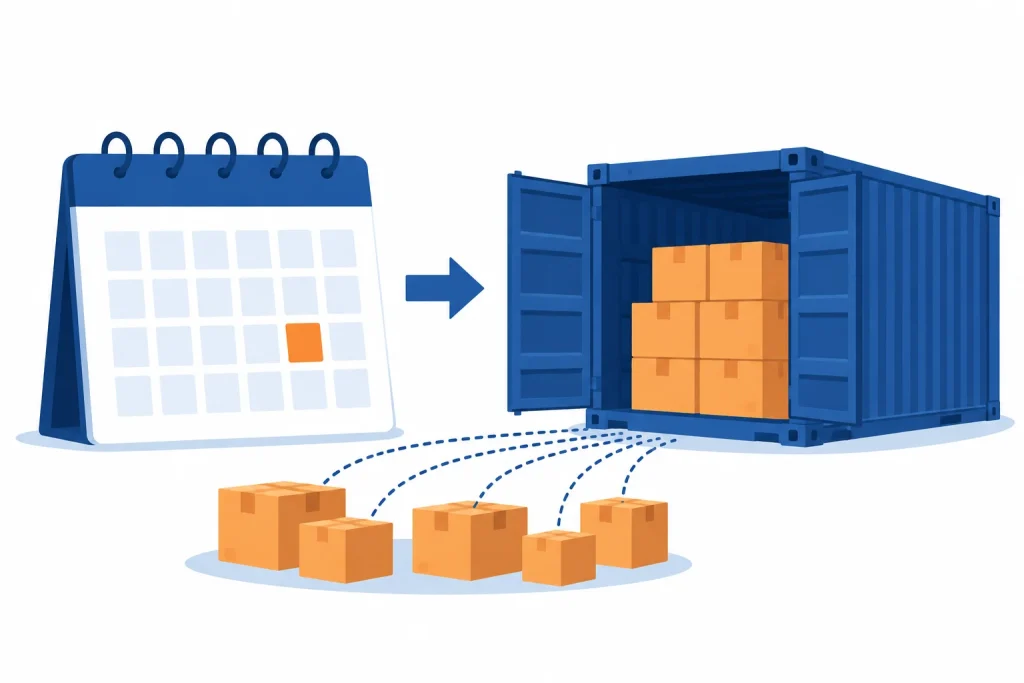
- Book 2 to 4 weeks ahead where possible, last-minute AGL bookings cost more.
- Use ocean freight for anything that isn’t urgent.
- Consolidate shipments instead of sending small batches constantly.
- Double-check labels and paperwork before dispatch errors trigger extra fees.
- Match your box sizes properly, oversized packaging quietly adds cost.
Mistakes I See Sellers Make With AGL
Skipping the labelling instructions is probably the most common one. If a label’s missing or wrong, Amazon will just send the box back, and that delay costs more time than doing it right the first time. Guessing at product values on customs paperwork is another one to avoid. It might seem harmless, but customs can flag or hold the shipment, and it’s just not worth the risk. Waiting too long to book is the last big one. AGL gives you planning tools for a reason. Use them, especially heading into Q4 or any major sales event.
Frequently Asked Questions
It’s Amazon’s own shipping service that moves your stock from your supplier’s country straight into an Amazon fulfilment centre. It covers freight, customs, and delivery under one booking instead of you juggling separate vendors for each part.
No, and I get asked this a lot. Amazon Logistics is Amazon’s last-mile delivery network, the one with the logo on delivery vans. AGL is a completely separate service built for international freight between countries, not local deliveries.
Go into Seller Central, find “Send to Amazon” or the shipping queue, and select AGL as your shipping method. You’ll need your business details and product catalogue ready. If your FBA account’s already active, adding AGL on top usually takes less than an hour.
Yes, Amazon Global Logistics UK is fully supported, and a good chunk of the sellers I work with use it to bring stock in from overseas suppliers. Just keep an eye on VAT and import duty rules on the UK side, they work a bit differently than a standard domestic shipment.
Air is faster, usually 3 to 5 days, but costs more per unit. Ocean takes longer, around 20 to 30 days, but it’s much cheaper for bigger volume orders. I usually tell sellers to use air for urgent restocks and ocean for anything planned ahead of time.
In most cases, yes. You’re not paying separate broker and forwarder fees, and the pricing Amazon gives you upfront tends to be more predictable. It’s not always the absolute cheapest option for every route, but it usually works out better once you factor in the hidden fees that come with independent forwarders.
Yes, that’s actually one of the things we help clients with directly. If you want someone to walk through your Amazon Global Logistics account setup or review your current shipping costs, reach out and we’ll take a look.