Selling on Amazon UAE is an exciting journey for any seller who wants to expand their brand in the Middle East. The platform offers many opportunities for growth. Many sellers compare it to the US/UK marketplaces, but there are major differences that every seller must understand before starting.
I have helped sellers launch into Amazon UAE after already running established US or UK stores, and the honest truth is that treating it as a simple copy-paste expansion is the single most common mistake I see. Let us explore everything that makes selling on Amazon UAE unique. At the same time, we will compare it with the systems in US/UK marketplaces. You will find helpful tips, real explanations, and ideas that you can use right away.
Introduction to Amazon UAE Marketplace
Amazon UAE was launched after Amazon acquired Souq.com. It has grown fast in the Middle East. Many sellers have started listing their products on it. The demand from UAE customers continues to grow every month.
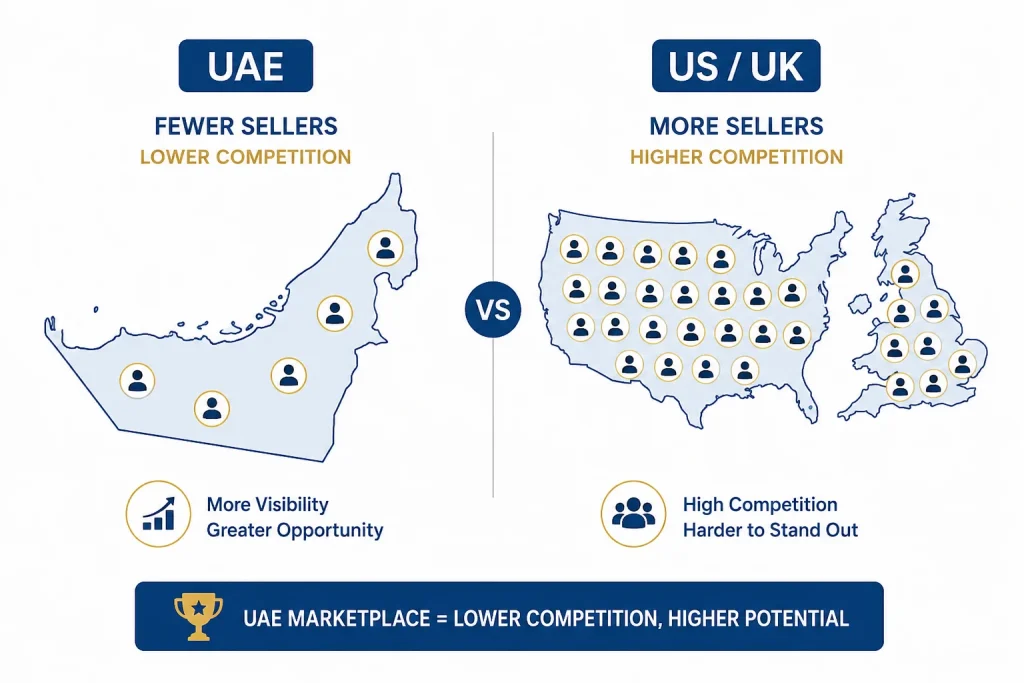
The US/UK marketplaces have existed for many years. They have developed a strong system. They also have large numbers of sellers and buyers. This means more competition for sellers in these countries.
While Amazon UAE is smaller, it gives sellers more space to grow. The competition is low. The customer base is loyal. The systems are getting better. You can enter early and build your brand before more sellers arrive. In my experience, the sellers who move into Amazon UAE early, while it is still developing, end up with a meaningfully easier path than the ones who wait until it looks as saturated as the US or UK.
Market Size and Buyer Behaviour

The customer base on Amazon UAE is different from buyers in US/UK marketplaces. The buying habits reflect local culture, language, and spending styles. UAE buyers prefer premium quality over quantity.
In the US/UK marketplaces, buyers often look for discounts. They search for coupons. They love big sales. They like to buy in bulk. The focus stays on price more than brand. The shopping style is fast and practical.
On Amazon UAE, buyers trust sellers who provide clear information. They want descriptions in English and Arabic. They expect fast replies from sellers. You must handle customer care with personal attention. I have seen sellers assume their US listing strategy would transfer directly, only to find UAE buyers responding far better to a slower, more relationship-focused approach than the price-driven messaging that works well back home.
Language and Listings Requirements
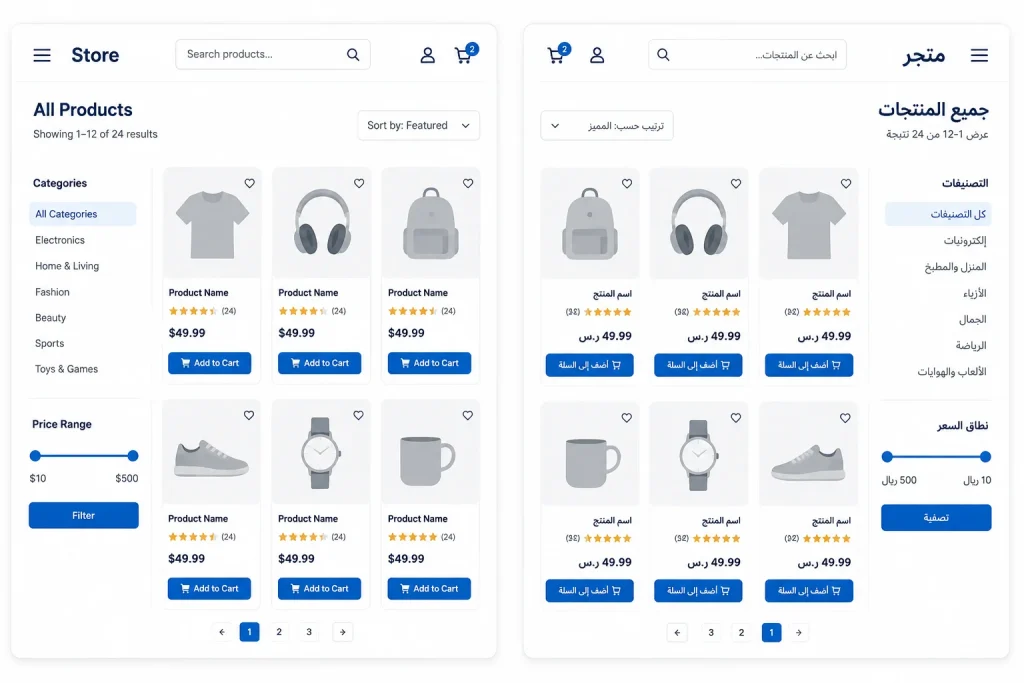
Creating listings on Amazon UAE requires writing in both Arabic and English. This is very important because many buyers in the UAE speak Arabic. Accurate translations help your products appear in more searches.
The US/UK marketplaces only need listings in English. That makes it easier for new sellers. You do not have to translate your content. You can use tools that help you create listings faster.
In the UAE, you must hire someone to translate or use a proper tool. You must write with cultural understanding, not just a literal translation. Clear product titles and bullet points in both languages will help you increase your sales. A word-for-word machine translation without a native review pass is one of the fastest ways I see a UAE listing quietly underperform.
Fulfilment and Shipping Differences
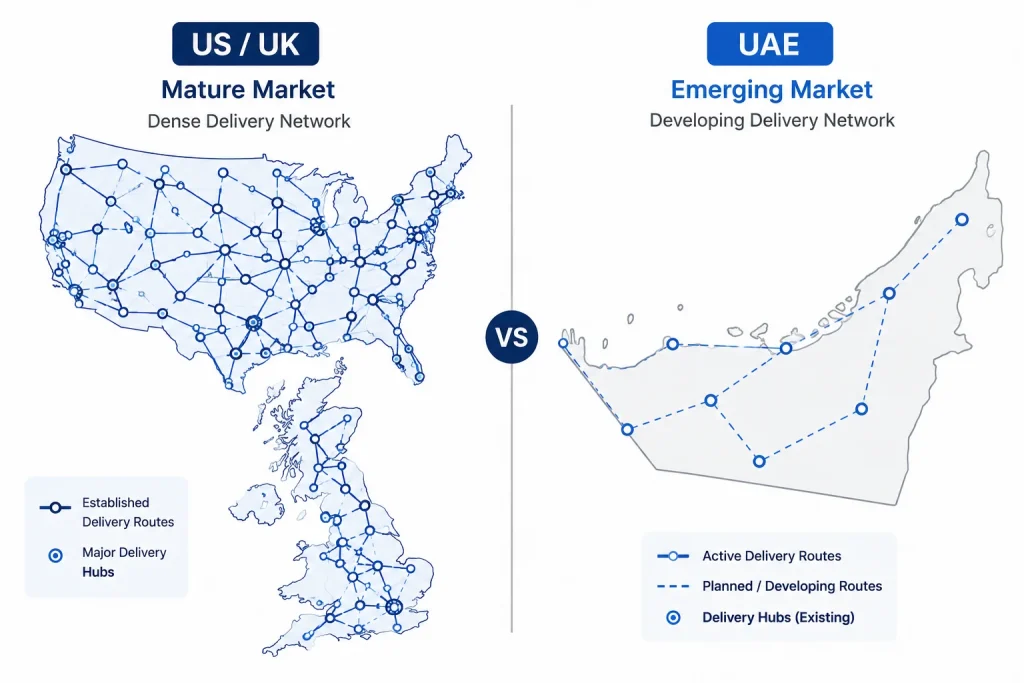
Shipping rules in Amazon UAE are different. Fulfilled by Amazon (FBA) is available, but it covers fewer locations. You must plan your inventory carefully. The delivery speed is slightly slower.
In US/UK marketplaces, FBA is stronger. It covers more cities and towns. It provides quicker deliveries. It also offers easy returns. This helps build customer trust. It helps you grow faster as a seller.
You must check which shipping method works better in Amazon UAE. In some cases, seller-fulfilled shipping is faster. You must pick reliable courier partners. You must also give tracking details for each order.
Payment Systems and Payouts
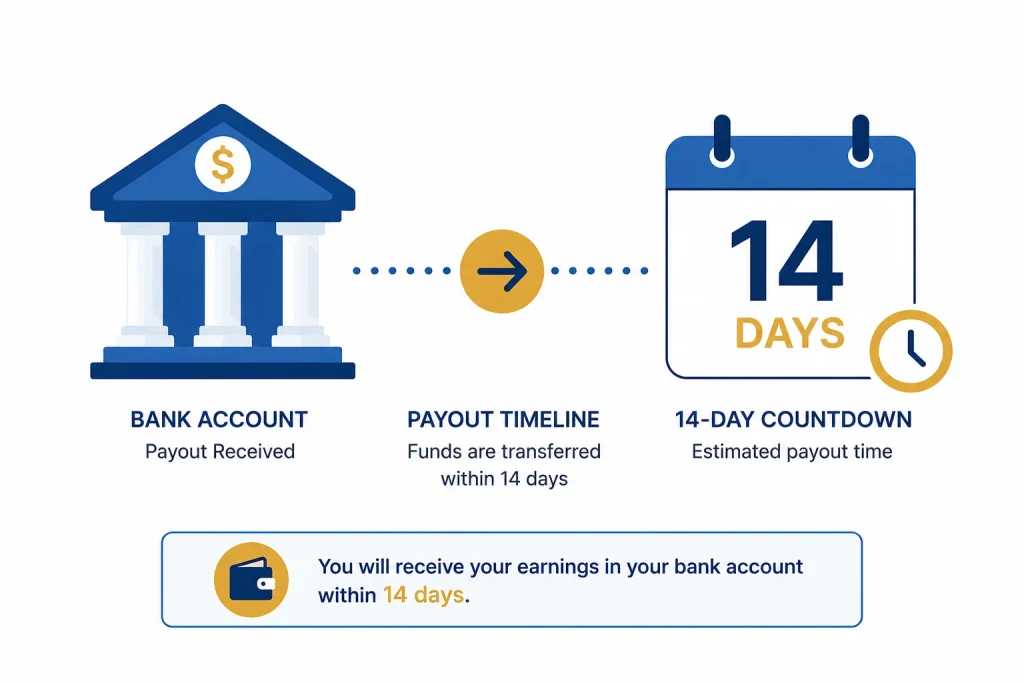
Getting paid on Amazon UAE is simple. You must connect a local UAE bank account. Payments arrive within 14 days after you make a sale. You must manage your cash flow wisely.
In US/UK marketplaces, the payout system is similar. However, more banks are supported. The system is more flexible. You can withdraw funds faster. You can also choose from more payment methods.
Some sellers use global bank services for the UAE. You can try this if you live outside the UAE. Make sure to check for fees. You should also check for currency exchange charges. This will help you avoid surprises.
Product Categories and Restrictions
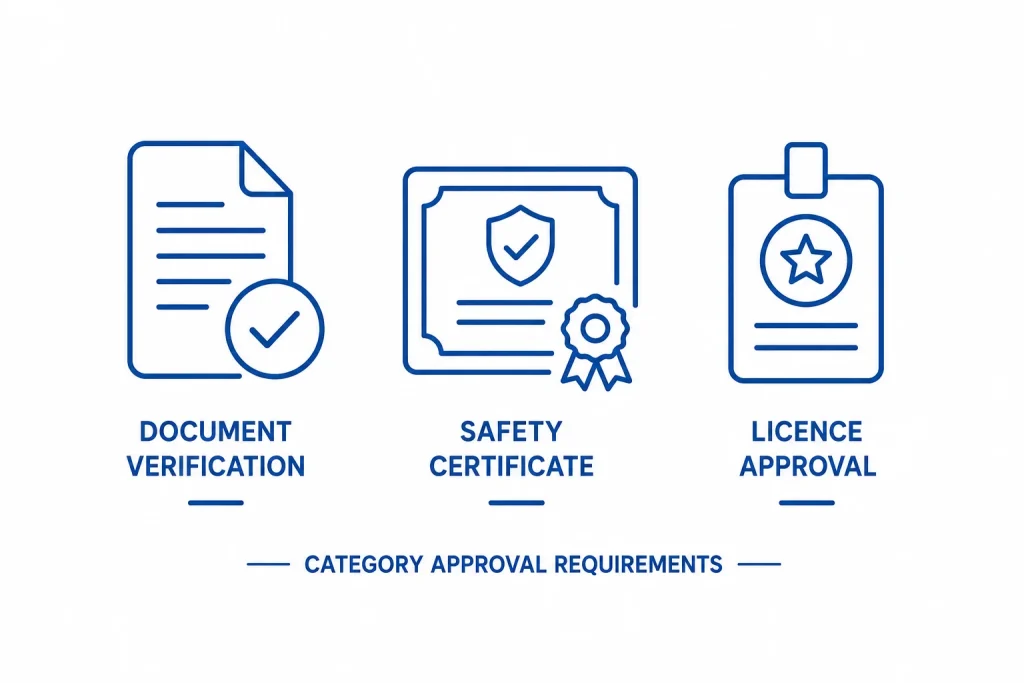
Amazon UAE has fewer product categories. Some products need special approval. For example, beauty, food, and electronics have strict rules. You must read Amazon’s guidelines before listing your items.
The US/UK marketplaces have more product categories. Sellers enjoy more freedom. You can list hundreds of products without approval. Only a few categories need permission. This makes it easier to sell fast.
On Amazon UAE, you must upload correct documents. You may need product photos, safety reports, or licences. These steps help maintain quality. They also keep customers safe and satisfied.
Advertising and Promotions
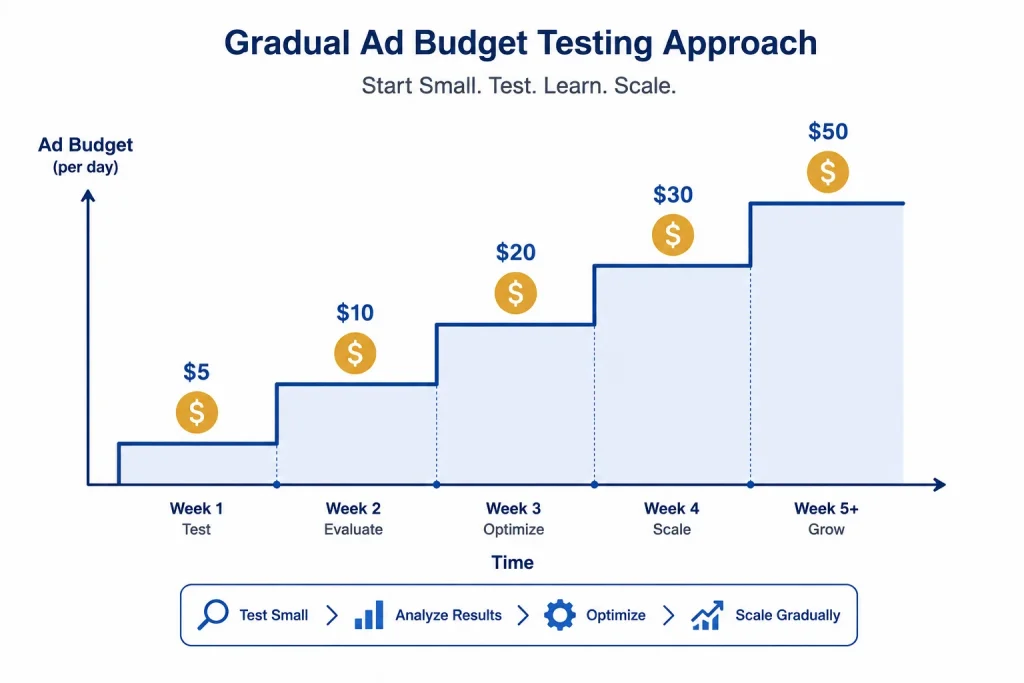
Advertising tools are available on Amazon UAE. You can use Sponsored Products, Sponsored Brands, and Deals. The system is newer but improving fast. You must use keywords that match local searches, including how Arabic-speaking shoppers phrase things differently from a direct English translation.
The US/UK marketplaces offer powerful advertising tools. The competition is tough. You must spend more to get better visibility. You also need advanced strategies to win sales.
On Amazon UAE, you can start small. You can test your ads and increase the budget slowly. You can also try external ads using social media to bring traffic to your Amazon listings.
Cultural and Regional Preferences
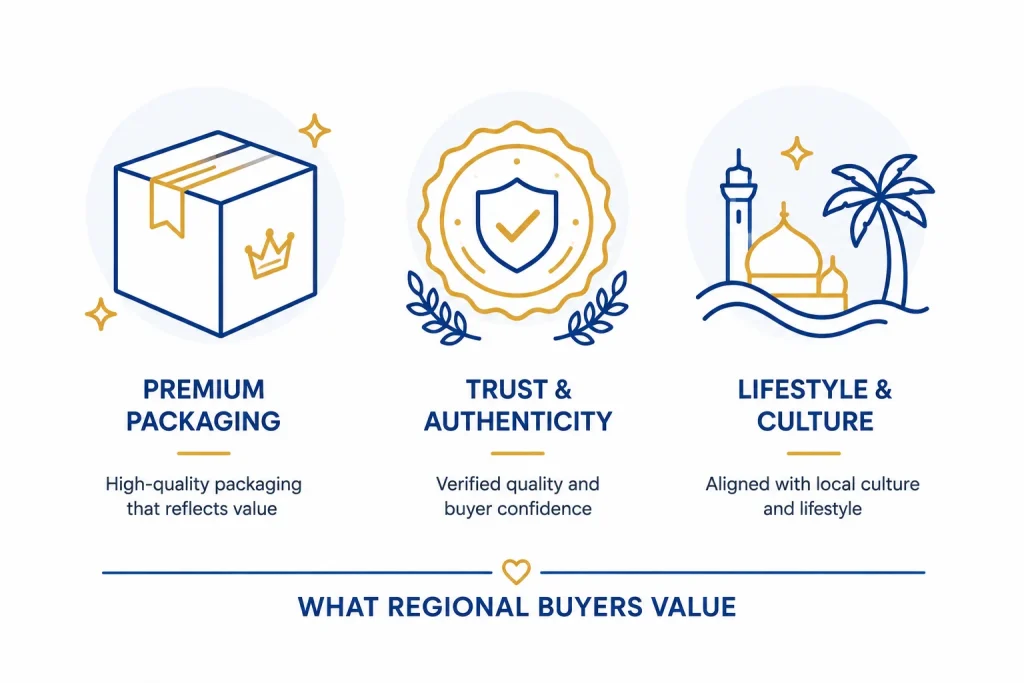
In Amazon UAE, customers prefer trusted global brands with strong reputations. They look for products that match their lifestyle, culture, and traditions. They value excellent packaging, quality assurance, and fast customer support.
In US/UK marketplaces, customers focus more on product reviews and price comparisons. They enjoy seasonal discounts and big online sales events like Prime Day or Black Friday. They prefer practical products, fast shipping, and a smooth return policy.
These differences show how regional values affect shopping decisions. You must adapt your strategy when selling in each market. You must study what customers like.
Tax Rules and Business Setup
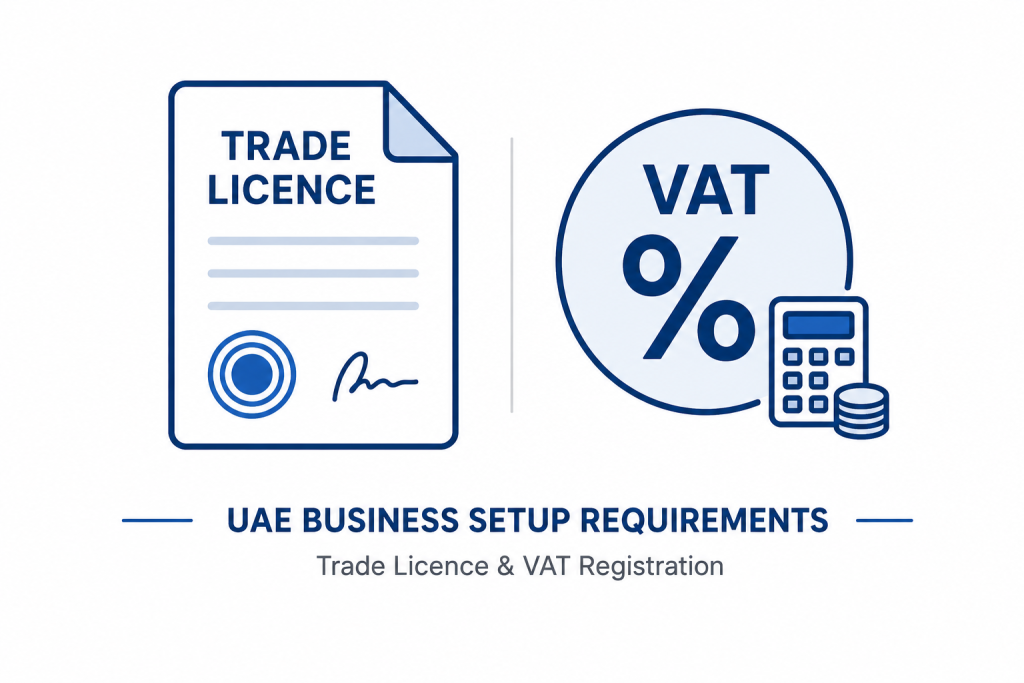
Setting up a seller account on Amazon UAE requires a UAE trade licence or working with a local business. This is a key legal step. You must follow VAT rules in the UAE.
The US/UK marketplaces allow international sellers to register easily. You do not need a local business licence in most cases. You only need to show ID and bank details.
On Amazon UAE, you must register for VAT if your sales pass the limit. You must file your returns. You must keep records. You must also follow shipping and customs rules for imported products.
Why Sellers Hire Amazon UAE Experts, and What to Actually Check in VA Reviews
This is the part of the UAE expansion process where I see sellers either save themselves months of trial and error or lose real money by hiring the wrong help, so it deserves proper attention.
Because of the trade licence requirement, the dual language listing work, and the cultural nuance in how UAE buyers respond to messaging, most sellers expanding into Amazon UAE end up working with either an Amazon UAE expert consultant or a dedicated virtual assistant who understands this specific marketplace, rather than trying to manage it entirely alone from a US or UK base. I say this from direct experience, since untangling a poorly set up UAE account for a client is a far more common request I get than helping someone start clean from day one.
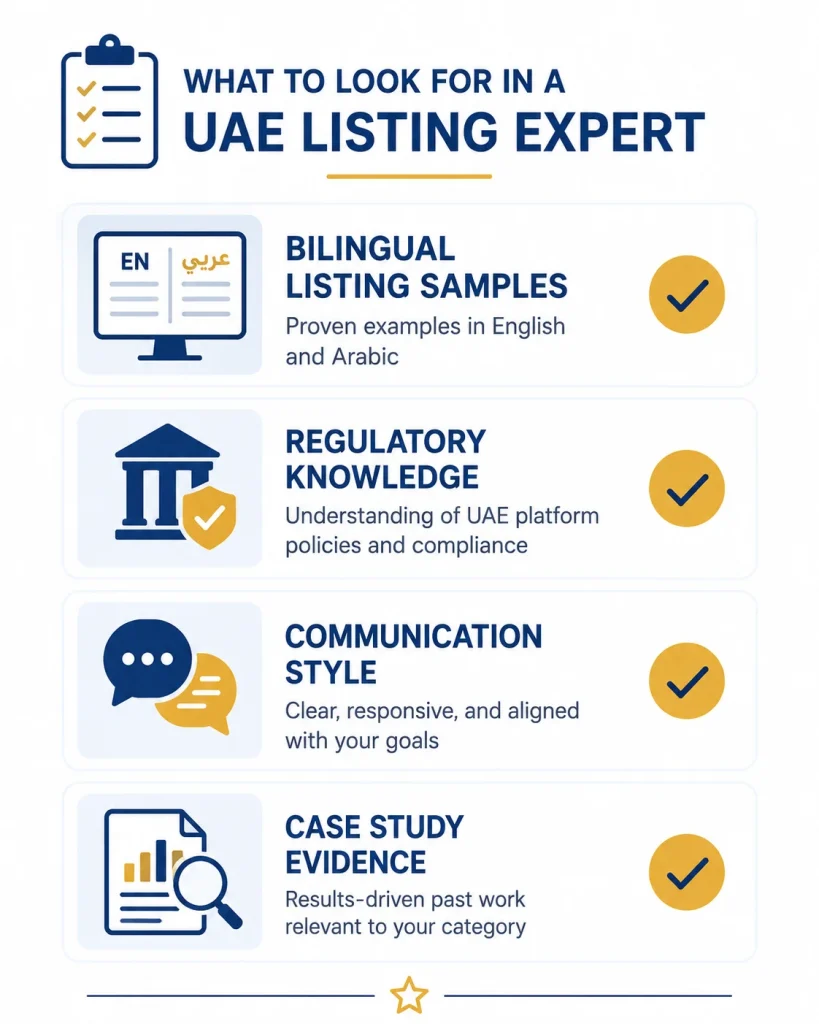
If you are looking at Amazon UAE experts’ VA reviews to decide who to hire, here is what I actually tell people to check, beyond the star rating:
- Ask for specific examples of UAE listings they have written in both Arabic and English, not just English work with a translated version bolted on afterward.
- Check whether they understand the UAE trade licence and VAT registration process directly, or whether they are simply applying US or UK seller account knowledge to a market with different rules.
- Ask how they handle customer communication, since UAE buyers expect a more personal, responsive tone than the templated replies that work fine in the US or UK.
- Look for genuine case studies or before-and-after account examples, not just a general claim of experience.
At Amazon Consultant, this is exactly the kind of support we provide directly, helping sellers set up correctly the first time rather than fixing an account that was rushed into the UAE market without proper groundwork. I would rather a seller ask us hard questions upfront than sign on with any Amazon UAE expert, us included, without checking real examples of their work first.
Customer Service and Buyer Expectations

Buyers on Amazon UAE expect kind, respectful, and quick replies. You must handle returns and refunds carefully. Customer trust builds through personal communication and fast solutions.
In the US/UK marketplaces, customers are used to automatic replies and quick refunds. The system is less personal. Buyers leave reviews quickly. You must keep your ratings high to win the Buy Box.
In the UAE, customers want to talk to real people. They may call or email you directly. You must train your team to reply in both English and Arabic. This gives you a strong edge.
Returns and Refund Policy Differences
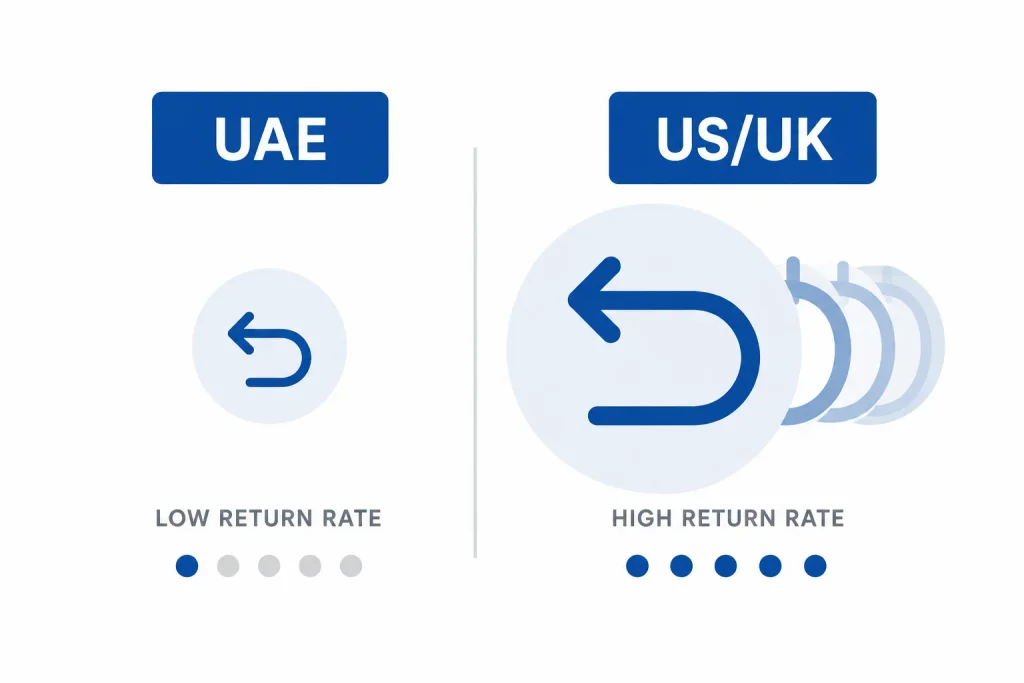
Amazon UAE allows product returns, but the return rate is lower than US/UK marketplaces. Customers want easy refunds, especially for clothes, electronics, and cosmetics. Sellers must check return quality and update inventory carefully.
In US/UK marketplaces, the return process is automatic. Buyers return products often, even for small issues or no reason. You must manage your return rate to avoid account warnings.
These rules impact your profit margins. You must plan for returns. You must adjust your price to cover these losses.
Competition and Growth Potential

Amazon UAE has less competition. You can enter the market faster. You can grow your brand without spending a lot. You must still offer top-quality service.
The US/UK marketplaces have thousands of sellers in each category. You must work hard to stand out. You must spend more on ads and promotions to stay visible.
In the UAE, local sellers and international brands are just beginning to grow. You have the chance to become a top seller now. You must take the chance before the market becomes crowded.
Pricing Strategy and Product Positioning
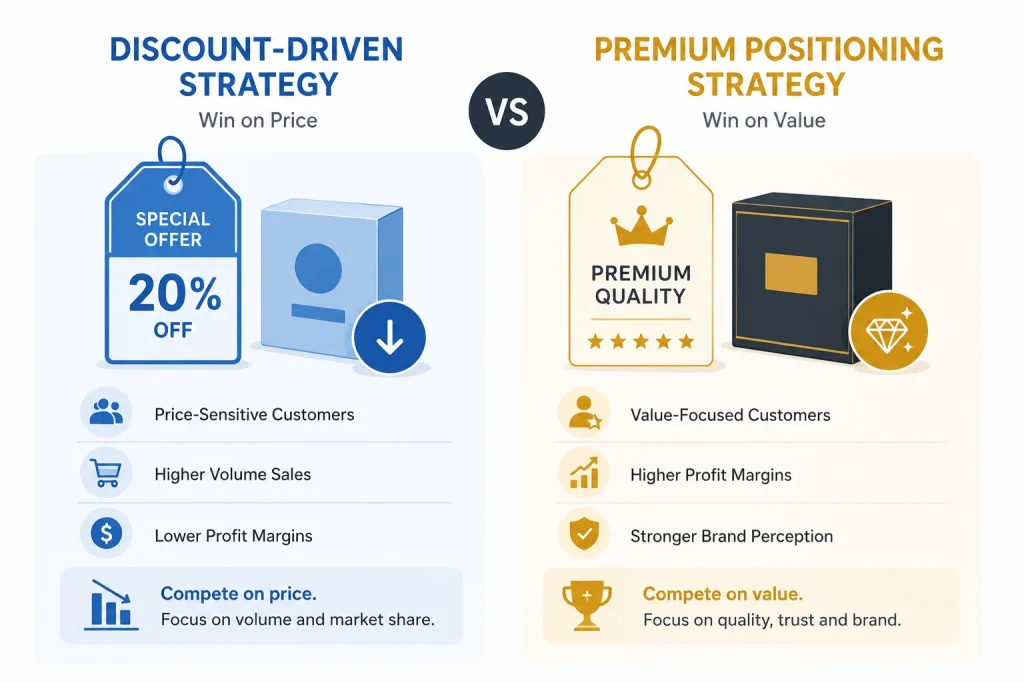
Your prices on Amazon UAE must match customer expectations. Some customers prefer low-cost deals. Others want premium quality and do not care about price. You must test what works best.
On US/UK marketplaces, customers often compare prices before buying. They use tools to check similar products. You must offer competitive pricing and bundle deals to win.
In the UAE, you must research market gaps. You must focus on limited edition items or hard-to-find products. You can earn more profit if you position your product correctly.
Platform Features and Seller Tools
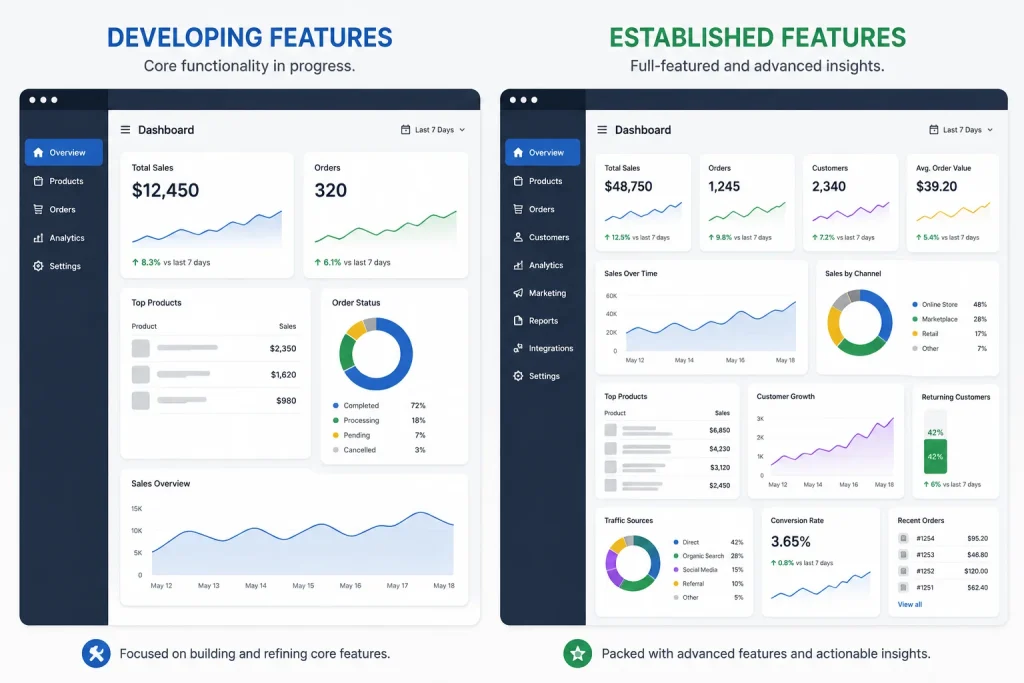
The seller dashboard on Amazon UAE is similar to the other marketplaces. You can track orders, manage returns, and run reports. The tools are useful, but some features are still under development.
The US/UK marketplaces have stronger tools. You can access more detailed analytics, better ads, and advanced inventory planning. This helps you scale your business easily.
Amazon UAE is adding more features every month. You must stay updated. You can request extra support if you face technical problems or listing issues.
Case Studies: Expanding Into Amazon UAE in Practice
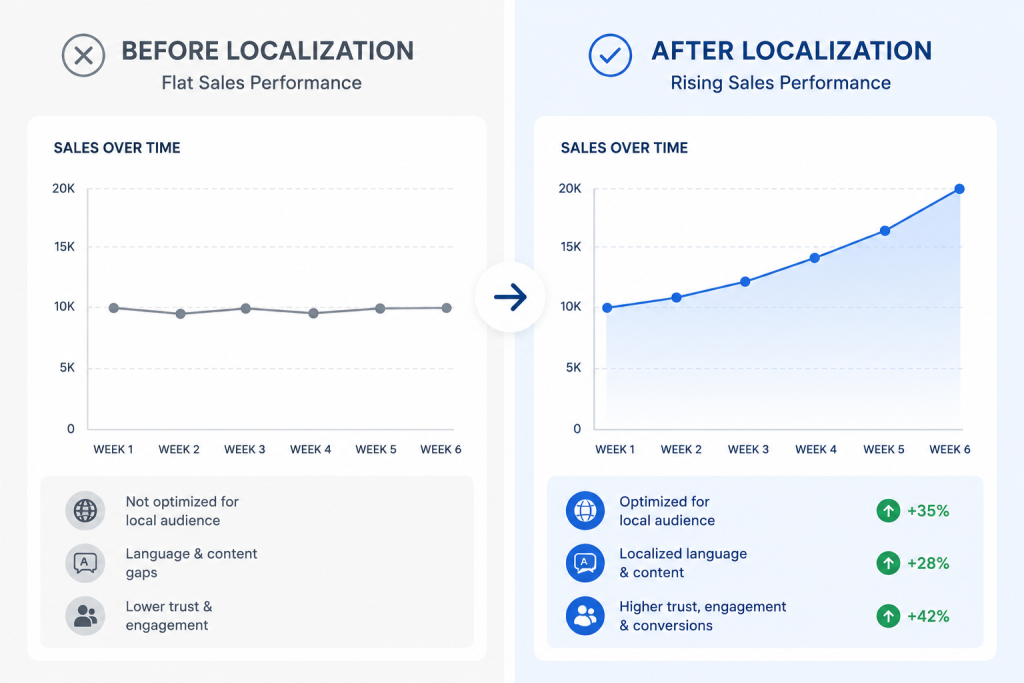
Case Study 1: Fixing a Listing That Was Translated but Not Adapted
A client with a well-established UK home goods brand expanded into Amazon UAE using a straightforward machine translation of their existing English listings. Sales were flat for months despite decent traffic. I brought in a native Arabic-speaking reviewer to rework the listings, not just correcting the translation but adjusting the tone and emphasis to match how UAE buyers actually evaluate a product, with more focus on quality assurance and brand trust, and less on price comparison language that had worked well in the UK. Conversion rate improved noticeably within the following month, on the same traffic they already had.
Case Study 2: Getting the Trade Licence and VAT Setup Right the First Time
Another client tried to set up their Amazon UAE account independently and got stuck for several weeks on the trade licence and VAT registration requirements, since the process differs meaningfully from simply registering as an international seller in the US or UK. I walked them through the correct documentation and registration steps directly, and their account was fully active within days rather than the additional weeks of back and forth they had already lost trying to figure it out through general online guidance not specific to the UAE.
Frequently Asked Questions About Selling on Amazon UAE
Yes, generally you need a UAE trade licence or need to work through a local business entity to register as a seller, which is a meaningfully different requirement than the US or UK marketplaces, where international sellers can typically register with just identity and bank details.
If you are already comfortable managing a US or UK Amazon account, you can manage the UAE too, but the dual-language listing work, trade licence process, and cultural adaptation of your messaging genuinely benefit from someone with direct UAE marketplace experience. Check real examples of past work rather than relying on reviews alone before hiring anyone.
Yes. Arabic listings significantly widen your search visibility and buyer trust, since a large share of UAE shoppers search and read primarily in Arabic. A proper native-level translation, not a literal machine translation, makes a measurable difference in how listings convert.
Generally yes, at this stage. Amazon UAE has fewer sellers per category and a still-developing advertising ecosystem, which gives newer sellers more room to establish a position than they would find in the more saturated US or UK markets.
Conclusion
If you want to sell in a region with fast growth and low competition, then start with Amazon UAE. You will enjoy early access to new customers, better margins, and stronger brand value. Make sure to research every step. Follow the marketplace rules. Build trust with each customer. For expert help and complete selling support, visit Amazon Consultant today.