What Does Amazon SEO Stand For?
Amazon SEO stands for Amazon Search Engine Optimisation, the practice of improving how a product listing ranks and converts inside Amazon’s own internal search engine, separate from Google or any other search platform. I want to answer that plainly up front, since it is one of the most common questions I get from sellers who are new to the term.
The evolution of Amazon SEO in 2026 has brought some of the biggest changes I have seen in the years I have managed listings professionally. Sellers now face a smarter and faster Amazon algorithm. The platform now focuses more on buyer experience than on keyword matching alone.
Amazon updates its search tools every year. In 2026, the updates go deeper into customer behaviour than ever before, and Amazon’s own AI shopping assistant, Rufus, has started influencing how products get surfaced to buyers in ways that did not exist a couple of years ago. It rewards listings that keep people engaged and lead to fast sales.
Amazon sellers must learn and follow the new SEO changes. If you ignore the rules, your product will not rank. This blog will explain, based on what I have actually seen change across the accounts I manage, all the changes you must know in 2026.
Why Amazon SEO Keeps Evolving Every Year
Amazon always wants buyers to find the best products fast. The evolution of Amazon SEO reflects this big goal. Amazon updates its system to meet buyer needs and compete with other shopping platforms, including the growing pressure from TikTok Shop and Google’s own shopping features.
The online shopping world moves quickly. Amazon must keep up with trends. It must also respond to how people shop today. This drives Amazon to change its SEO optimisation approach often.
As a seller, you must stay up to date. You must keep learning every year. If you miss even one update, you risk losing rank and sales. I have seen sellers lose meaningful search positions simply because they kept optimising for rules that were already a year out of date.
Changes in Amazon’s Ranking Algorithm in 2026

The A10 algorithm, which itself replaced the older A9 model, has continued to evolve and become smarter this year. It now looks at more than just keywords. It tracks product performance more closely than ever before, and Amazon’s underlying AI infrastructure, including its COSMO multimodal model, now plays a bigger role in understanding product images and video alongside text.
In 2026, Amazon’s ranking system checks buyer satisfaction directly. It measures reviews, return rates, and repeat purchases. This deeper view helps Amazon rank better products higher rather than just the ones with the most matching keywords.
The evolution of Amazon SEO made it important to offer great service, not just great copy. You must sell high-quality products. You must also keep customers happy after every order, since post-purchase behaviour now genuinely feeds back into your ranking.
The Rise of Rufus and What It Means for Amazon SEO Optimisation

This is the single biggest shift I want sellers to understand for 2026. Rufus, Amazon’s generative AI shopping assistant, now answers buyer questions directly inside the shopping experience, sometimes before a shopper ever scrolls through traditional search results.
What this means practically is that your listing content needs to answer real buyer questions clearly and directly, not just contain the right keywords. Rufus pulls from your title, bullet points, product description, and even customer Q&A to generate answers for shoppers, which means poorly written or vague content can actually get skipped over in favour of a competitor’s clearer answer, even if your product itself is the better fit.
I have started treating listing copy the same way I would think about optimising for an AI answer engine on the open web, writing bullet points that directly answer the kind of question a buyer would type or ask out loud, rather than just stuffing in keyword phrases. This is genuinely a new skill sellers need to build, and I expect it to matter more, not less, as Rufus and similar AI shopping tools keep expanding.
Keyword Placement Rules Have Shifted
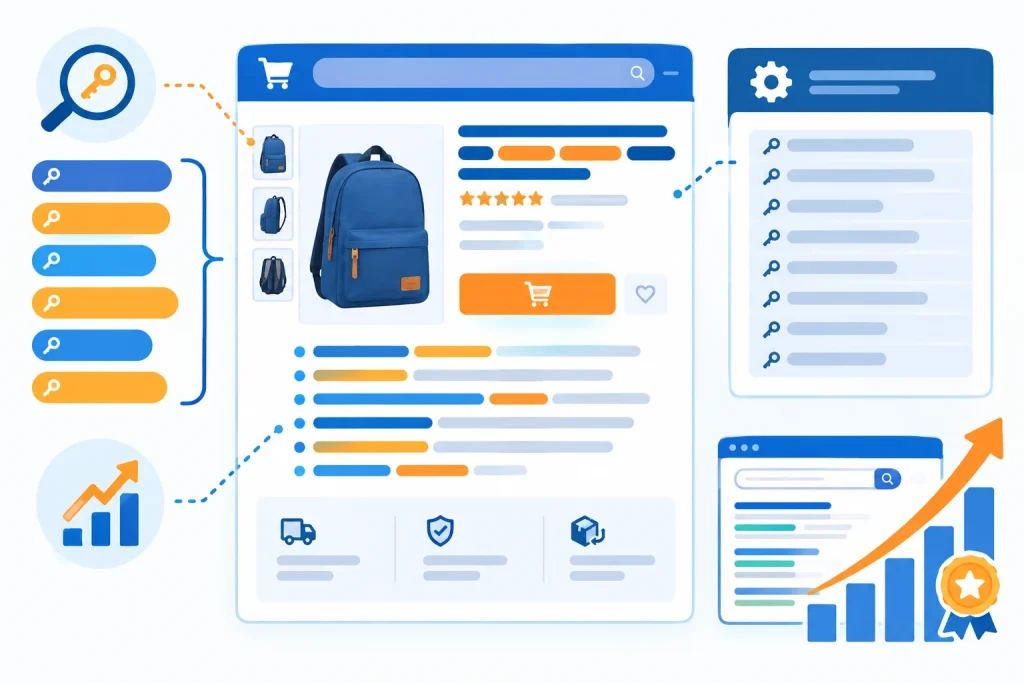
Amazon now places more weight on where keywords appear. You must now add Amazon SEO keywords in the right sections, not just everywhere on the page.
In 2026, the most useful keywords belong in the title and bullet points. Backend keywords still matter, but not nearly as much as they once did. Titles now shape most search results more heavily than backend fields ever could.
The evolution of Amazon SEO focuses on user clarity. Amazon wants buyers to understand your product right away, and increasingly, it wants Rufus to be able to explain your product clearly too. So place strong, natural keywords where they genuinely help a human or an AI assistant understand what you are selling.
What Role AI Plays in Amazon SEO Now

AI now controls many ranking decisions. It reads product pages. It measures what buyers like. It even checks how long people look at your listings and how they interact with Rufus when asking about your category.
Amazon’s AI systems want buyers to stay engaged on product pages. The AI tooling rewards listings that keep people interested. Videos and real photos work better now than stock-style images ever did.
The evolution of Amazon SEO now involves genuinely smart AI systems working behind the scenes. These systems push good listings to the top. So you must create strong and clear content that wins over both human buyers and the AI systems now standing between them and your listing.
2026 Focus: Better Conversion, Not Just Clicks
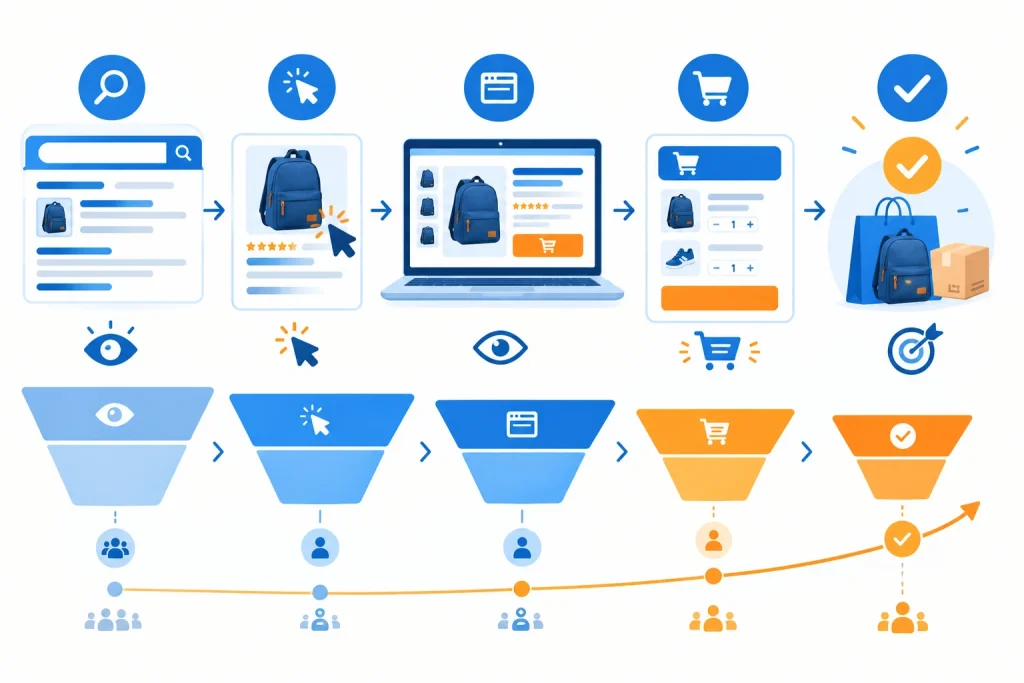
Amazon no longer rewards listings that get only clicks. In 2026, it looks deeper. It checks if buyers actually buy after clicking your listing.
The system rewards high conversion rates. If people click and leave, your rank will fall. If they click and buy, your product will rise fast.
The evolution of Amazon SEO now depends more on sales performance than raw traffic. You must use a copy that turns visitors into buyers. Only then can you reach the top search spots and stay there.
New Features on Product Listing Pages in 2026
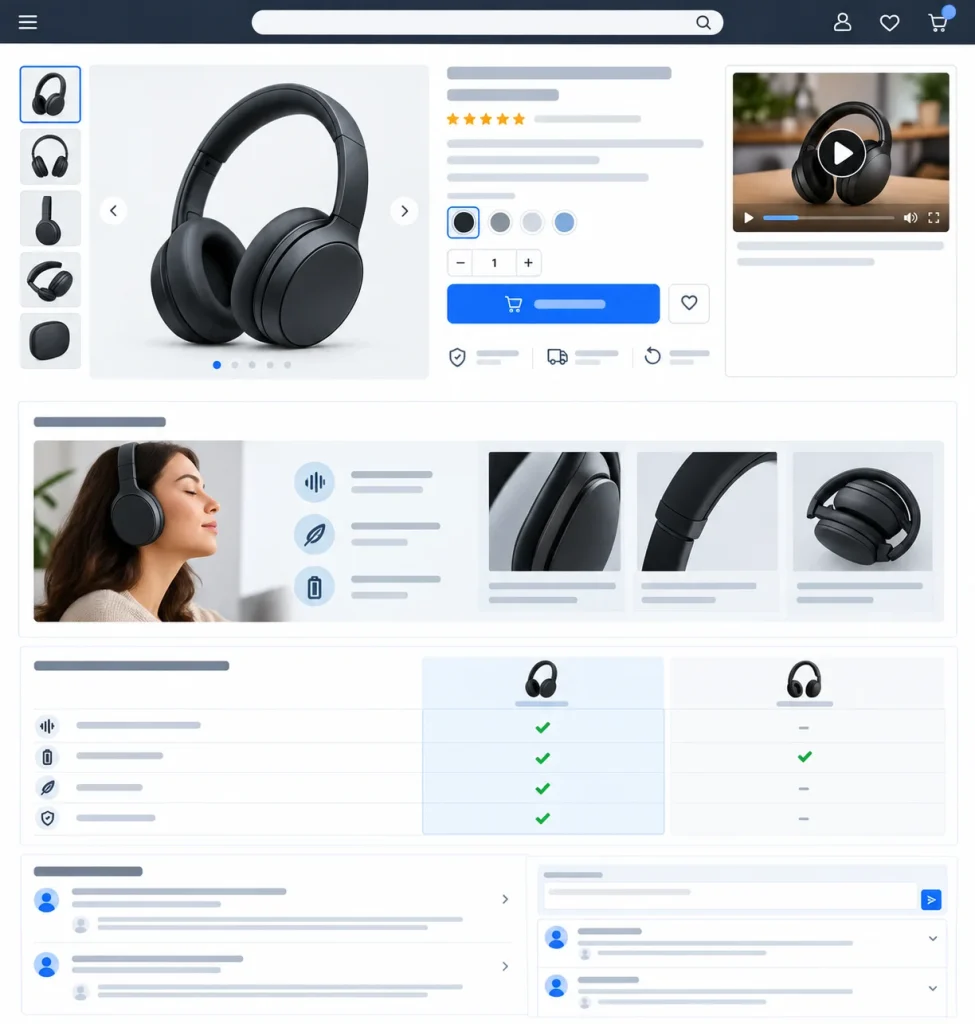
Amazon has added new tools on listing pages. These tools now affect how products rank. You must use these features properly to earn full SEO value from them.
Some of the features that matter most right now include:
- Enhanced Brand Content and A+ Content using updated layout styles that support richer comparison charts
- Image carousels that allow more product angles and zoom options
- Video highlights that boost customer trust and time on page
- Rufus enabled Q&A content, since well-answered product questions now feed directly into how the AI assistant represents your product to shoppers.
The evolution of Amazon SEO means you must upgrade your listing quality regularly. Every tool Amazon gives you now plays a role in your rank.
How Customer Behavior Impacts Rankings in 2026
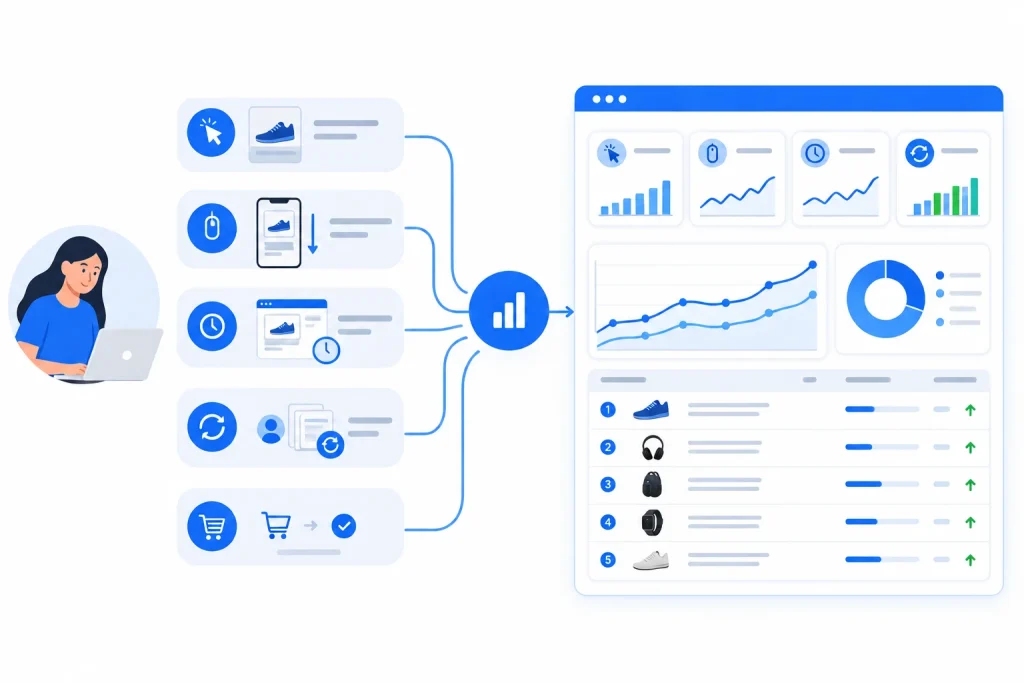
Buyers today act differently than in past years. Amazon tracks every click, scroll, and time spent. It studies buyer paths to decide which listings deserve to rank.
In 2026, Amazon’s system looks at how often buyers return to a listing. It also looks at how fast people check out. This behavioral data now affects SEO optimization directly, not just as a secondary signal.
The evolution of Amazon SEO now links more closely to real user actions. You must offer clear titles, clean images, and fast answers to win those actions, whether the shopper arrives through traditional search or through a Rufus conversation.
How Reviews and Ratings Changed the SEO Game
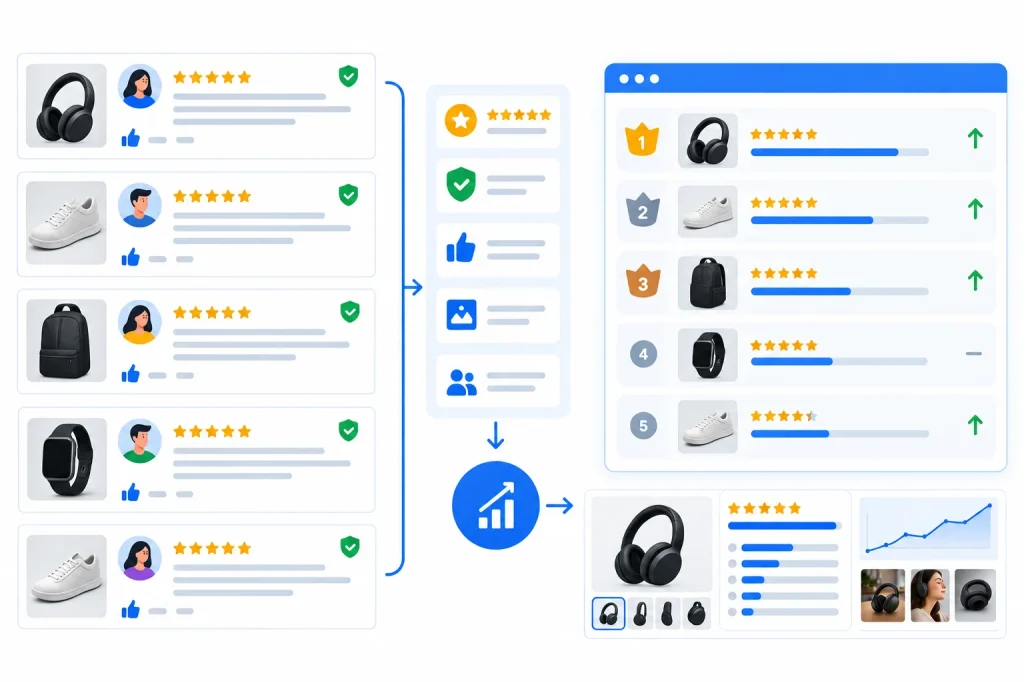
In 2026, reviews carry more SEO weight than before. Amazon now tracks how fast reviews come in. It also measures review quality and depth, not just star rating.
Your product must get steady reviews from real buyers. Amazon checks if your reviews are fresh, helpful, and verified. This helps you stay high in search, and it also affects how confidently Rufus recommends your product when a buyer asks for suggestions.
The evolution of Amazon SEO rewards trust more than ever. Positive reviews, helpful answers, and real photos now decide if your listing will rise or fall.
Amazon SEO Tools: What I Actually Use

Sellers frequently ask me which amazon seo tool is worth paying for, so I want to answer honestly rather than just list every option on the market. I rely on Helium 10 and Jungle Scout as the core of most client keyword research and listing optimization work, since both have kept pace with how Amazon’s search behavior has shifted toward buyer intent rather than raw keyword volume. If you want the fuller breakdown of tools I use across a seller’s whole operation, including inventory and profit tracking, I covered that in more depth in our guide to the best Amazon Chrome extensions.
Beyond keyword tools, I now also pay attention to how a listing performs when tested against Rufus style questions, something no dedicated tool fully covers yet, so this currently comes down to manually asking Rufus the kinds of questions a buyer might ask and checking how well your listing content supports a clear answer.
Should You Take an Amazon SEO Course, or Hire an Amazon SEO Agency?

This is a genuinely fair question, and the honest answer depends on your time and how hands on you want to be. An amazon seo course can be a solid investment if you plan to manage your own listings long term and want to build the skill yourself. I would look for one updated for 2026 specifically, since anything built before Rufus and the newer AI driven ranking factors will already be missing a meaningful part of the picture.
If you would rather have someone else manage it, working with an amazon seo agency or amazon seo services provider makes more sense, particularly if you are managing multiple listings or do not have the time to track algorithm changes weekly. At Amazon Consultant, this is exactly the kind of ongoing amazon seo optimization work we do for clients, keeping listings aligned with changes like the shift toward Rufus readable content rather than leaving sellers to catch up on their own months after a change has already affected their rank.
Top SEO Mistakes to Avoid in 2026
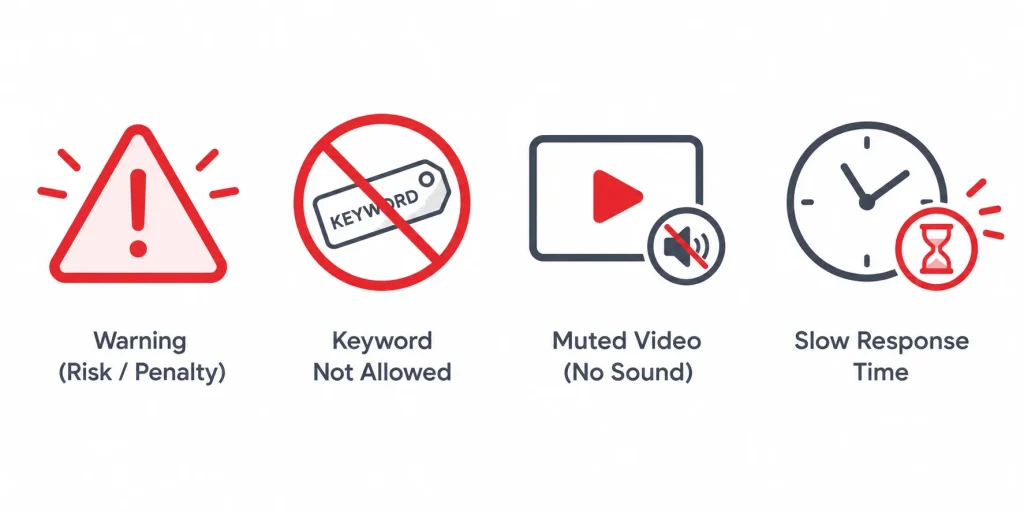
Many sellers make errors that hurt their rank. These mistakes seem small, but in 2026, they carry a real cost. Avoid these issues if you want to win at Amazon SEO optimization.
Here are the top mistakes to avoid in 2026:
- Using weak or low volume keywords in your product title
- Ignoring Enhanced Brand Content and making poor use of video
- Writing bullet points that list features without answering the actual question a buyer would ask, which now hurts you with both human shoppers and Rufus
- Letting review response times slip, since slow or missing responses to negative reviews now weigh more heavily than in previous years
The evolution of Amazon SEO means small errors now lead to bigger ranking drops than they used to. Fix these issues fast to stay ahead of your competition.
How to Stay Ahead in Amazon SEO in 2026

The SEO race never stops. Each year, Amazon raises the bar. To stay in front, you must learn fast, apply fast, and grow fast.
In 2026, sellers must track updates weekly. You must watch your metrics daily. Use tools to study what is working, including testing your own listings against Rufus generated answers. Then update your listings to match what you find.
The evolution of Amazon SEO will keep moving. You must follow it closely to lead your niche. Do not wait. Update now. Stay visible. Stay strong.
Case Studies: Amazon SEO Optimization in 2026 Practice

Case Study 1: Rewriting Bullet Points for Rufus, Not Just Keywords
A client’s kitchen appliance listing had strong keyword coverage but flat conversion for months. I tested their category against a range of Rufus style buyer questions and found their bullet points listed features without ever directly answering the actual questions buyers were asking, such as whether the product worked with a specific pan size. I rewrote the bullet points as direct answers to those real questions while keeping the keyword coverage intact. Conversion rate improved within weeks on the same traffic, and the listing began showing up more consistently when we tested Rufus with related buyer questions ourselves.
Case Study 2: Fixing a Review Response Gap That Was Quietly Hurting Rank
Another client had a healthy review volume but rarely responded to negative reviews, assuming star rating alone was what mattered. After the 2026 update placed more weight on review engagement and freshness, I set up a weekly review response process for them, addressing negative reviews within 48 hours with genuine, specific responses. Within two months, both their review sentiment and their search rank for their main keywords improved, confirming that response behavior itself had become a real ranking input, not just a customer service nicety.
Frequently Asked Questions About Amazon SEO in 2026
Amazon SEO stands for Amazon Search Engine Optimization, the process of improving how a product ranks and converts within Amazon’s own internal search and recommendation systems, separate from Google or other external search engines.
Helium 10 and Jungle Scout remain the two tools I rely on most for keyword research and listing optimization. Neither one fully covers testing against Rufus style AI answers yet, so I supplement both with manual testing of real buyer questions inside Amazon’s own shopping assistant.
A course makes sense if you want to manage your own listings long term and have the time to keep up with changes yourself. An agency or dedicated Amazon SEO service makes more sense if you are managing multiple listings or want someone actively tracking changes like the shift toward AI readable content for you.
Rufus now answers buyer questions directly using data pulled from your title, bullet points, and product Q&A, which means listings written as clear, direct answers to real buyer questions tend to perform better than ones optimized purely around keyword density.
Yes, but less than they used to. Amazon now weights the title and visible bullet points more heavily than backend search terms, since those are also the fields Rufus draws from most directly when generating answers for shoppers.
Conclusion
Amazon sellers who want to grow must now follow every part of this new SEO landscape. The rules have changed again in 2026. So must your strategy. Listings must look better, read better, answer buyer questions more directly, and convert better. Buyers, and increasingly Rufus on their behalf, now decide how well you rank. So focus on their journey. Learn their needs. Shape your listings around their habits.
To stay ahead of every SEO update in the future, trust Amazon Consultant, your expert partner in winning the Amazon game.