Creating a strong product lifecycle strategy helps your business grow on Amazon. Your Amazon catalogue must stay fresh. It must also match customer needs. Each product goes through different stages. These stages need different plans. Knowing these steps can help you sell more. You can manage your Amazon catalogue better. You can also avoid product losses.
I have managed full product catalogues for sellers ranging from a handful of SKUs to several hundred, and the pattern I see over and over is the same: sellers plan the launch carefully, then treat everything after that as an afterthought. This guide will help you build a clear product lifecycle strategy. You will learn how to plan, launch, grow, and exit products the smart way, based on what has actually worked across the accounts I manage.
What Is a Product Lifecycle?
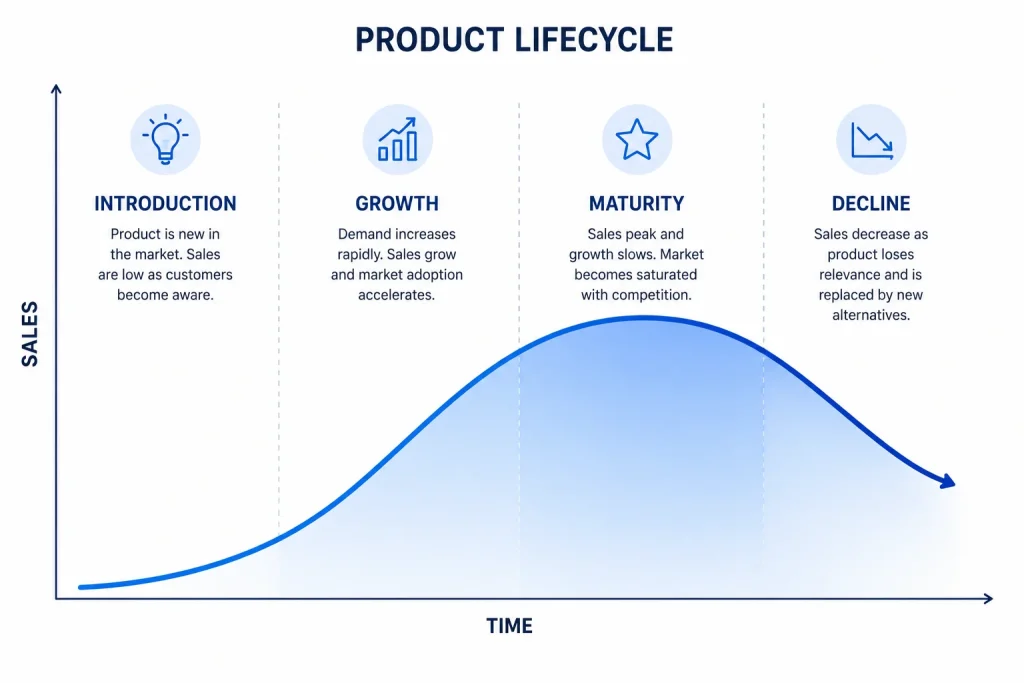
Every product has a journey. This journey starts when you launch it. It ends when you remove it from your Amazon catalogue. That is the product lifecycle. There are four stages. These include introduction, growth, maturity, and decline. Each stage shows how the product is doing. It helps you plan for what comes next.
A strong product lifecycle strategy helps in every stage. You can plan well. You can act at the right time. You can also avoid wasting money or effort. I think of it less as four separate boxes and more as one continuous curve. A product rarely jumps cleanly from one stage to the next, and the sellers who struggle most are usually the ones treating each stage as a fixed checklist rather than watching the actual trend underneath it.
Why Does Product Lifecycle Matter on Amazon?

Amazon moves fast. Many sellers list new products each day. Buyers want the latest items. If your Amazon catalogue does not stay updated, you may lose sales. A good product lifecycle strategy helps you adjust quickly. You can improve listings as conditions change. You can stop selling old items at the right time.
It also helps control your stock. You can avoid running out of new items. You can clear old ones before they become useless. In my own client work, the single biggest cost I see from ignoring lifecycle stages is not lost sales, it is cash sitting frozen in Amazon’s warehouse as ageing stock nobody wants anymore.
Stage 1: Introduction Phase, Launch the Right Way

This is the first stage. You add a new item to your Amazon catalogue. You hope customers will find it and buy it. In my experience, this phase typically runs anywhere from two to eight weeks depending on your category, ad budget, and how competitive your niche is. Use the right keywords in your listing. Create clear titles and bullet points. Add sharp images. Offer a price that looks fair.
You can also use Amazon Ads. These help customers find your product faster. Use early reviews to build trust. Respond to questions fast. Help buyers feel good about your new item.
One thing I always tell clients during this stage: resist the urge to judge a launch too early. I generally wait for at least two to three weeks of consistent traffic data before deciding whether a listing needs a real adjustment or just more time to gather reviews and rank.
Stage 2: Growth Phase, Boost Sales Fast
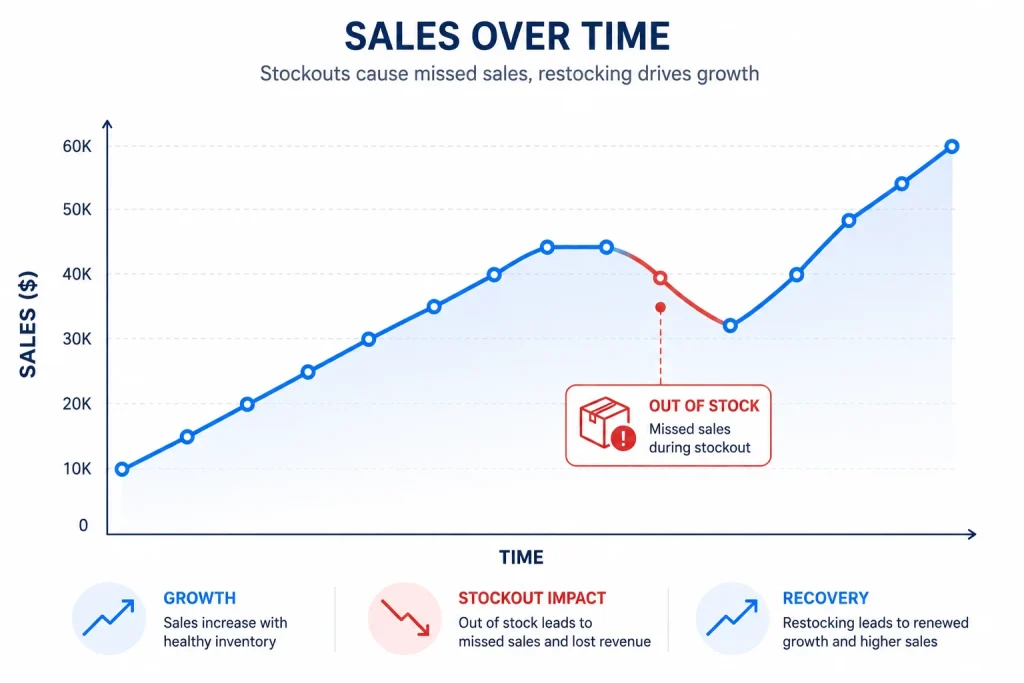
Once you get first sales, you move into growth. Sales increase. Reviews improve. More people find your product. You must scale fast. Keep ads running. Boost your stock levels. Offer deals or coupons to bring more buyers.
At this stage, track sales data closely. Watch which keywords perform well. Improve your listings if needed. Make your product lifecycle strategy work smarter, not just faster. I have seen more products stall during growth from a stockout than from any pricing or advertising mistake. If your growth curve is climbing and you run out of stock even for a few days, you often lose the sales velocity that built your ranking in the first place, and clawing that back takes far longer than the stockout itself lasted.
Stage 3: Maturity Phase, Stay Strong in the Market
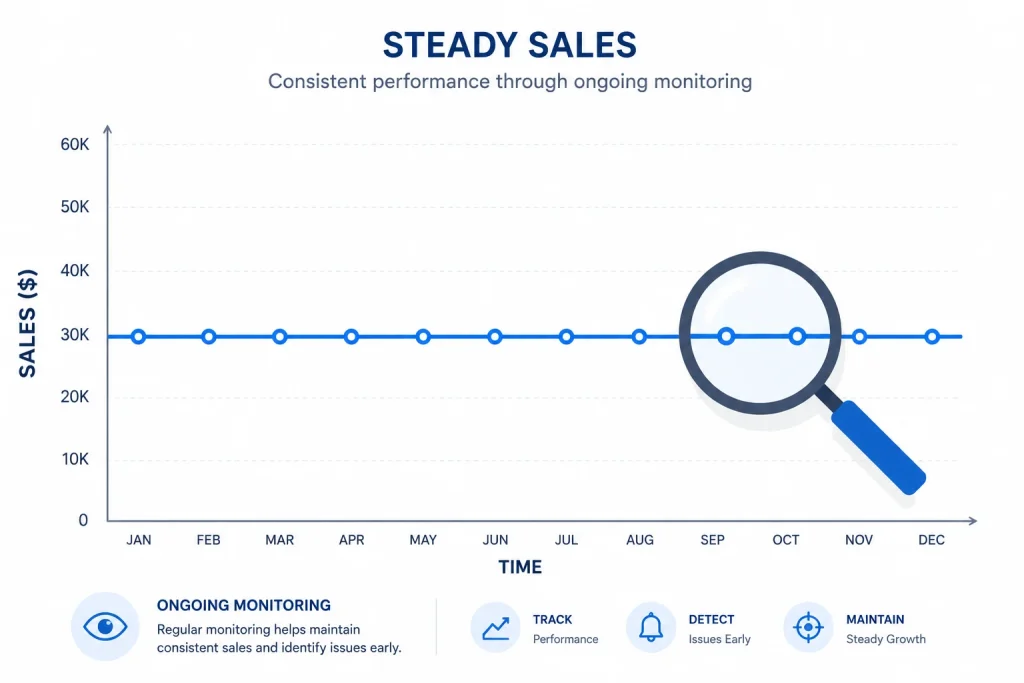
This is the time when your sales stay steady. Your product has built a name. Customers trust it. Now, protect your market space. Watch your reviews. Keep ads running at a lower cost. Refresh your images if they look old.
Check your pricing. Competitors may drop theirs. You must find a balance. Stay profitable. Keep value high for the customer. Maturity is deceptively the riskiest stage to manage, in my view, because nothing looks urgent. Sales are steady, so it is easy to stop paying attention. I schedule a full listing audit every quarter for mature products specifically because problems here tend to build slowly rather than show up as a sudden drop.
Stage 4: Decline Phase, Decide What Comes Next
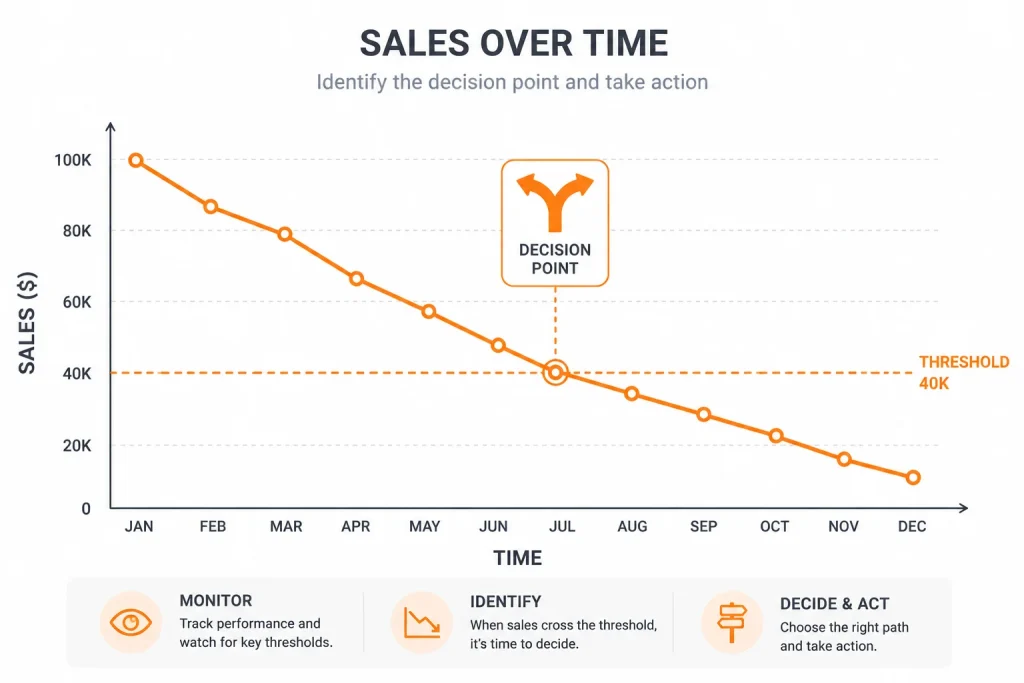
Some products lose demand. Sales drop. New products take their place. This is the decline stage. Here, decide fast. You can offer deep discounts. You can remove the product from your Amazon catalogue. You may also relaunch it with updates.
This is where many sellers make mistakes. Holding too much stock costs money. A smart product lifecycle strategy helps you exit with less loss. I have found that sellers who set a clear decline threshold in advance, such as a specific drop in weekly units sold, make this call faster and lose less money than sellers who wait to see if sales recover on their own.
Signs Your Product Is Moving to the Next Stage

It is key to know when your product is changing stages. Watch for these signs:
- Sales rise or fall fast.
- Ad costs go up or down.
- Reviews slow down.
- Competitors grow stronger.
Use these signs to update your product lifecycle strategy. You can act fast. You can avoid problems. Plan stage shifts before they hit. Do not wait. Stay alert. Keep your Amazon catalogue ready for changes. I check these four signals weekly for every client, not monthly. A shift that takes a month to notice is usually a shift that has already cost real sales by the time you catch it.
Tools to Track Your Product Lifecycle on Amazon

Tracking tools help you stay informed. Amazon Seller Central offers many insights. Use them to follow product changes. You can track sessions, conversion rates, and reviews. Use reports often. Build your product lifecycle strategy based on what you learn.
Other tools like Helium 10 or Jungle Scout give more data. They show how your product stands in the market. They help you plan better moves. I personally rely on Seller Central’s own Business Reports as the primary source of truth, since it reflects your actual account data, and use third-party tools like Helium 10 mainly for competitor and market-level context that Amazon does not show you directly.
How to Create a Long-Term Product Lifecycle Strategy
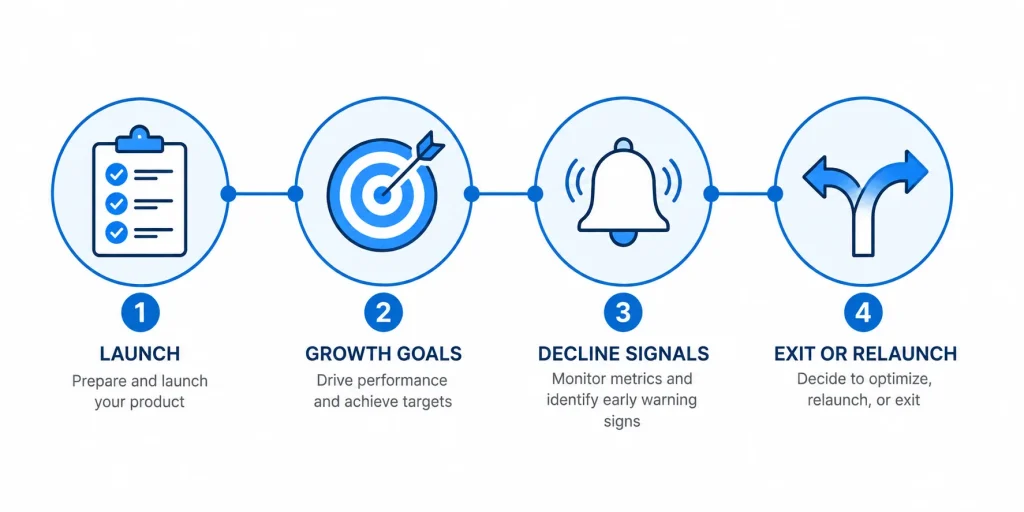
You must plan ahead. Think about the whole product journey. Do not focus only on sales. Build your product lifecycle strategy with clear steps. Think about product design. Think about launch, growth, and exit.
Break your plan into easy goals:
- Create a launch checklist
- Set growth goals and review them monthly
- Build alerts for decline signals
- Have a backup plan to exit or relaunch
This step-by-step plan helps you avoid stress. You stay in control. You protect your profits.
Mistakes to Avoid with Your Amazon Product Strategy
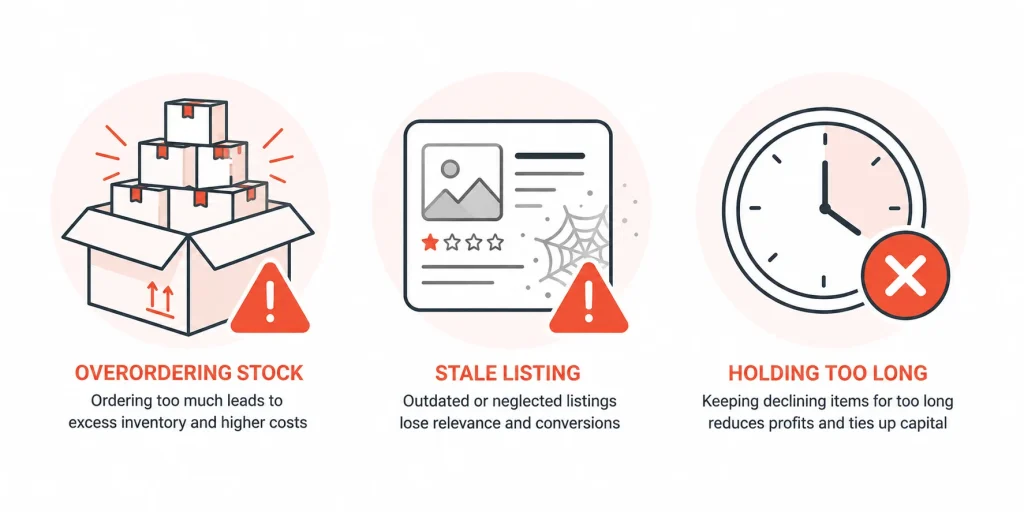
Many sellers rush into selling. They do not plan the whole lifecycle. They only focus on short-term wins.
Here are common mistakes to avoid:
- Ignoring lifecycle stages
- Ordering too much stock without real demand behind it
- Failing to update listings during maturity
- Keeping declining items too long
Avoid these traps. Use a smart product lifecycle strategy. Keep your Amazon catalogue fresh, lean, and profitable.
Case Studies: Product Lifecycle Management in Practice
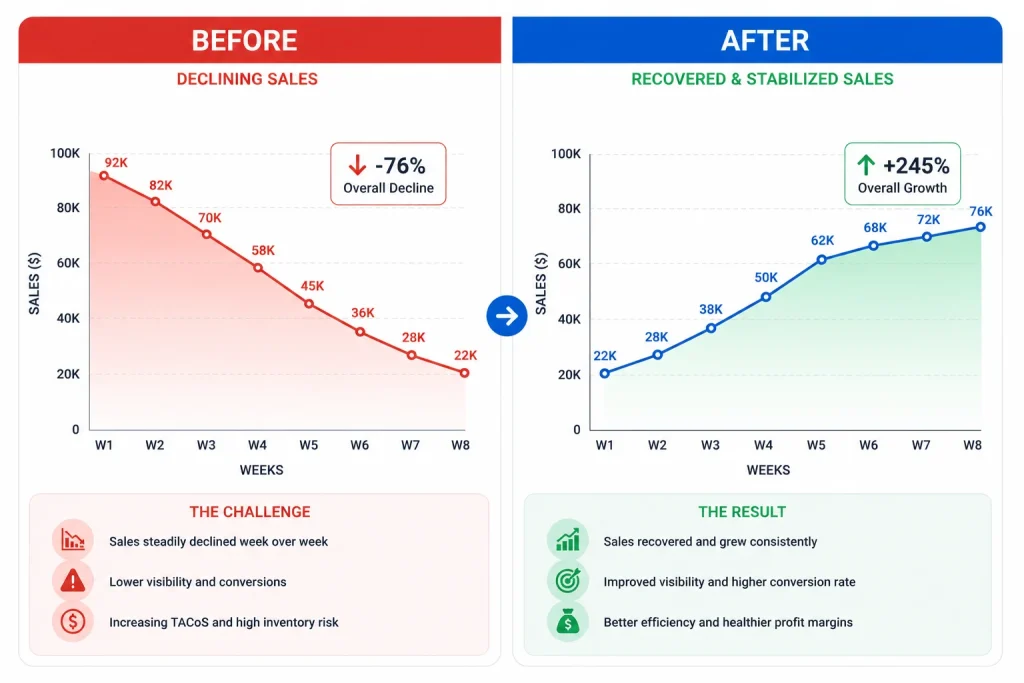
Case Study 1: Catching a Maturity Stage Slide Before It Became a Decline
I managed a client’s kitchenware line that had been performing steadily for over a year. During a routine quarterly audit, I noticed their conversion rate had quietly dropped while sessions stayed flat, a sign that competitors had likely improved their own listings. Rather than waiting for sales to actually fall, I refreshed their images, updated their bullet points to reflect newer buyer questions from recent reviews, and adjusted pricing slightly to stay competitive. Their conversion rate recovered within a few weeks, and the product stayed in a healthy maturity stage for another several months instead of sliding into an early decline.
Case Study 2: Managing a Seasonal Product’s Exit Without Leftover Stock
Another client sold a holiday-themed product that had strong but short-lived demand each year. In previous years, they had been left with unsold stock after the season ended, tying up cash and warehouse space. I built a lifecycle plan with a strict stock limit tied to historical sell-through data, front- loaded ad spend in the two weeks before peak demand, and a scheduled discount starting ten days before the season’s end to clear remaining units. That year, they finished the season with less than five per cent of their stock unsold, compared to nearly twenty percent unsold the year before.
Updating Your Amazon Catalogue with Lifecycle in Mind

Do not list and forget. Your Amazon catalogue needs care. Update listings often. Refresh pictures. Review pricing. Fix issues fast. Use data to guide updates. Watch your dashboard. See what sells and what does not.
Review your product lifecycle strategy every three months. Check if products match the stage you expect. Adjust if needed. This habit keeps your brand strong.
When to Retire or Relaunch a Product
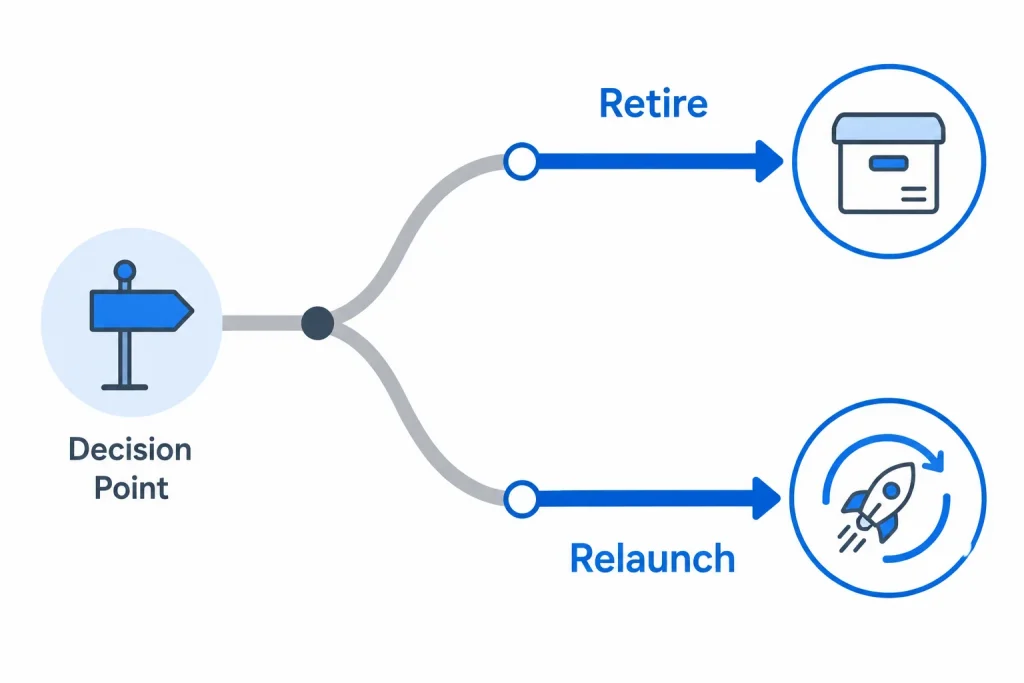
Sometimes, a product slows down. You can retire it. Or you can bring it back with changes.
- It no longer sells.
- It has many bad reviews.
- New versions beat it.
Relaunch a product if:
- It had early promise.
- It has fewer but good reviews.
- You can fix the weak points.
Make the right choice. Your product lifecycle strategy should guide this step. I generally advise clients against relaunching a product purely out of attachment to it. If the underlying demand has genuinely moved on, no amount of listing polish brings it back, and that budget is almost always better spent on a new introduction.
Product Bundling as a Lifecycle Booster

Bundling products can help in many stages. You can mix slow items with hot sellers. This clears stock. Create bundles that make sense. Mix items that go together. Add value. Use one main image. Keep the title clear.
This trick helps during maturity or decline. It boosts sales. It helps clean your Amazon catalogue. I have used bundling most successfully during decline, pairing a slow moving item with a strong seller at a modest combined discount, which clears ageing stock without discounting the healthy product on its own.
Launching Seasonal Products with a Clear Exit Plan
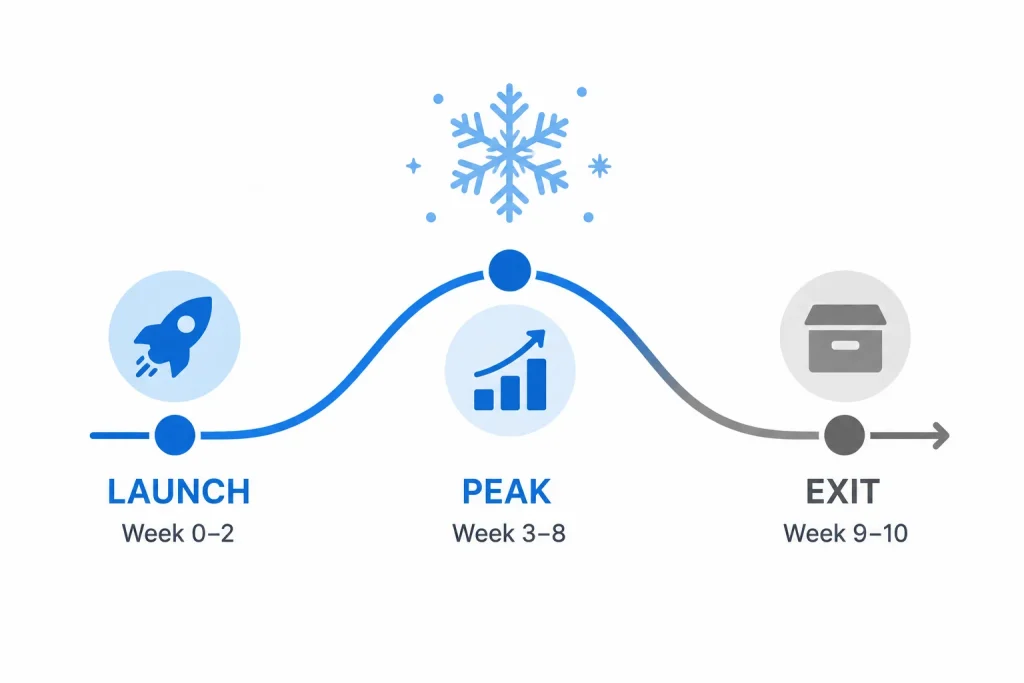
Seasonal items are tricky. They sell well for short times. You must plan their full lifecycle early. Launch fast. Sell fast. Exit fast. Avoid leftover stock. Make a plan before the season starts.
A good product lifecycle strategy for seasonal items includes:
- Stock limits
- Fast ad spend at launch
- Discounts scheduled before the season ends, not after
Seasonal sales can be big wins. Plan them right to avoid losses.
Frequently Asked Questions About Amazon Product Lifecycle Strategy
It varies significantly by category, but in my experience the introduction phase typically runs two to eight weeks, growth can last anywhere from a few months to over a year for strong products, and maturity can run for years if the listing is actively maintained. Decline can happen gradually or quickly depending on whether it is caused by a slow demand shift or a sudden event like a new competitor entering the market.
Watch for a sustained drop in weekly units sold, rising ad costs for the same or lower sales volume, and a slowdown in new reviews. One slow week is not decline. A consistent multi week downward trend against a stable ad spend usually is.
No. I only recommend relaunching when the early data was genuinely promising and the product simply had fixable weak points, such as poor images or an easily corrected feature gap. If a category has permanently shifted away from a product, relaunching it rarely works, and that time and ad budget are better spent on a new introduction.
I review mature products quarterly at minimum and check the four key signals of sales, ad costs, reviews, and competitor activity weekly across the full catalogue. Waiting longer than a month to review a shifting product usually means the shift has already cost real sales by the time it is caught.
Conclusion
Your Amazon catalogue is your shop window. Products come and go. You must manage each one with care. A smart product lifecycle strategy helps you launch, grow, protect, and retire products. It keeps your listings fresh. It makes your brand look good. It protects your time and money.
Plan each stage clearly. Use tools. Watch your data. Update often. Make changes when needed. At Amazon Consultant, we help sellers build smart strategies that last. Work with us to build your own winning plan.